
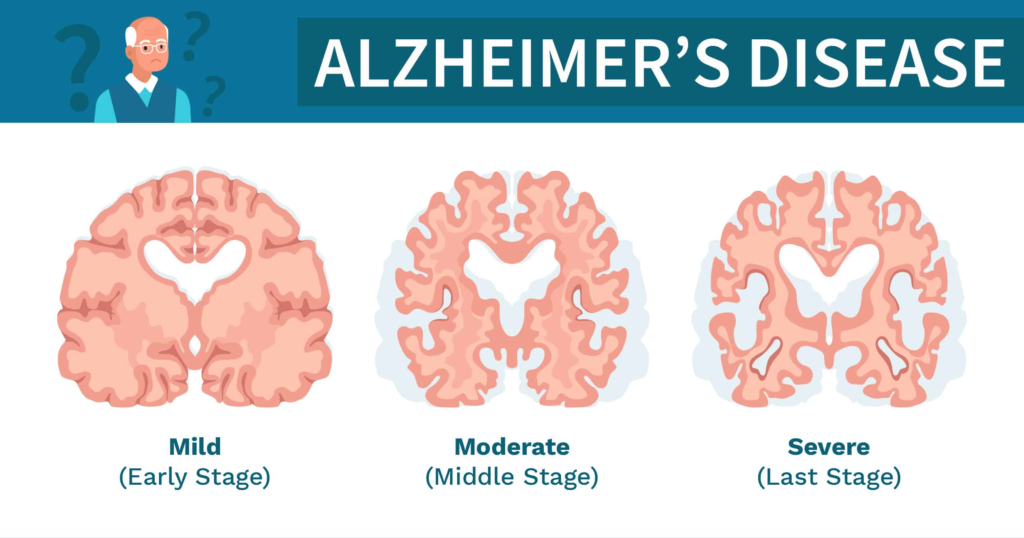
Alzheimer’s disease impacts millions of families, changing lives in untold ways and demonstrating the need for compassion, understanding, and special care. More than 6.9 million Americans are currently living with Alzheimer’s, according to the Alzheimer’s Association, and that number is increasing. For those families walking this path, recognizing the stages of Alzheimer’s and the ways in which care changes at each stage can have a significant impact on quality of life.
In this article, the three general stages of Alzheimer’s are broken down, and how the transition from memory care communities to assisted living communities and senior living cottages progresses to accommodate different needs.
Stage 1: Early Alzheimer’s and the Role of Independent Living Cottages
Signs of Alzheimer’s may be subtle in its early stages. A person may not remember a recent conversation, lose an object, or have trouble organizing tasks. However, many live independent lives with limited assistance despite these struggles. This is where senior independent living cottages or independent living communities come into play.
They’re about fostering independence but allowing people a safety net. Residents typically live in individual cottages or apartments and participate in social activities and amenities, like fitness centers or walking paths. For someone with early-stage Alzheimer’s, being in a place like this can promote engagement, which, along with physical exercise, is one of the things found to help slow cognitive decline. For example, Art classes, gardening, or group outings offer mental stimulation and socialization.
Strategies for memory care at this stage are as much about preparation as intervention. Staff in independent living communities may provide reminders for appointments or medications, while quietly tracking changes in behavior. Families are encouraged to begin planning as early as possible, making future transitions to more specialized care smoother.
Stage 2: Middle Alzheimer’s and Transitioning to Assisted Living or Memory Care
In middle-stage Alzheimer’s, symptoms are more evident. People may forget their personal history, have mood swings, become paranoid or suspicious, or find even the most common daily tasks challenging. At this point, many families discuss whether to move their loved one to an assisted living community or a memory care community.
Assisted living apartments offer personalized assistance with activities of daily living, enabling residents to live with as much independence as possible. For instance, caregivers may help with medication or meals. But if confusion and getting lost start to cause anxiety, then a memory care assisted living environment is usually more appropriate. This type of community can provide secure settings, trained staff, and activities designed for cognitive health.
Everything is designed to minimize stress and confusion in memory care communities. Residents walk through color-coded hallways to mark spaces, and established routines bring predictability. Activities turn toward sensory-based experiences, such as music therapy or tactile crafts, that connect with long-term memories. Staff members are trained to divert agitation calmly and communicate in clear, simple terms.
According to the Alzheimer’s Association, residents with Alzheimer’s who live in a structured environment like a memory care community tend to have a decrease in anxiety levels of approximately 40%. This model benefits the individual but also provides peace of mind for families.
Stage 3: Late Alzheimer’s and Specialized Alzheimer’s & Dementia Care
Late-stage Alzheimer’s is characterized by severe cognitive and physical decline. People can lose the ability to speak, walk, or recognize loved ones. The need for 24/7 care is now inevitable, the priority being the individual’s comfort, dignity, and quality of life.
A memory care community or Alzheimer’s & dementia care community is the best option. These communities keep residents free from pain and comfortable, with staff properly trained in palliative care skills. Meals are often puréed or chopped to avoid choking, and mobility aids, such as wheelchairs or lifts, are kept on hand.
Communication shifts to nonverbal skills: the power of touch, holding the person’s hand, maintaining eye contact, or playing soothing music. Caregivers find ways to create moments of joy by holding a resident’s hand during a favorite song, for example, using aromatherapy to evoke a sense of calm. Families are advised on connecting, even when their loved one can no longer talk.
How Memory Care Communities Adapt in All Alzheimer’s Stages
Memory care isn’t one-size-fits-all. The strongest memory care communities adjust their approaches as needs change. Here’s how they do it:
- Design of the Environment: Spaces, from senior living cottages with grab bars and emergency call systems to memory care communities with enclosed gardens, are designed to encourage safety and independence.
- Staff Training: Caregivers are continually trained on the progression of Alzheimer’s, how to communicate effectively, and de-escalation methods.
- Family Partnerships: Frequent updates, support groups, and educational sessions allow families to remain engaged and informed.
A study published in the Journal of Alzheimer’s Disease found that customized memory care programs can enhance mood and cognitive function in residents, even in advanced stages.
The right Community for different Alzheimer’s stages
The choice between independent living cottages, assisted living communities, or memory care communities depends on the person’s needs. Here’s a quick guide:
- Independent Living Cottages: Best for early-stage Alzheimer’s, for those who want social stimulation with limited help.
- Assisted Living Apartments: For those in the middle stages, mixing help with some independence.
- Memory Care Communities: For middle-to-late stages, offering targeted care tailored to safety, routine, and comfort.
When visiting communities, inquire about the ratio of staff to residents, planned activities, and how care adjusts as Alzheimer’s advances.
Final Taught
Alzheimer’s care works best when it’s planned early. Understanding the stage your loved one is in helps you choose the right support, whether that’s independent living, assisted living, or memory care. Don’t wait for things to get worse before making a move, because timing can change things. Visit communities, ask questions, and trust what you see, not just what you’re told. The right decision now can protect their safety, dignity, and peace of mind later.