
There was a time when finding a personal smell meant buying one bottle of perfume and using it every single day. The goal was to find the perfect fragrance and never change. That has changed. Today, many people do the opposite. Instead of wearing one perfume, they mix two, three, or more scents. They create something new and personal. This practice is called scent stacking. It is becoming very popular in the fragrance world.
Scent stacking is easy to understand. A person applies different perfumes, colognes, body mists, fragrant oils, or lotions to the skin together. This makes a custom smell that belongs only to that person. By combining a few fragrances, anyone can create a smell that no one else has.
Some people call this fragrance layering or fragrance cocktailing. The idea is the same. The person takes control and becomes the creator of their own smell. This article explains scent stacking, what it is, where it started, how to do it, and why so many people enjoy it.
What Is Scent Stacking for Personalized Fragrance?
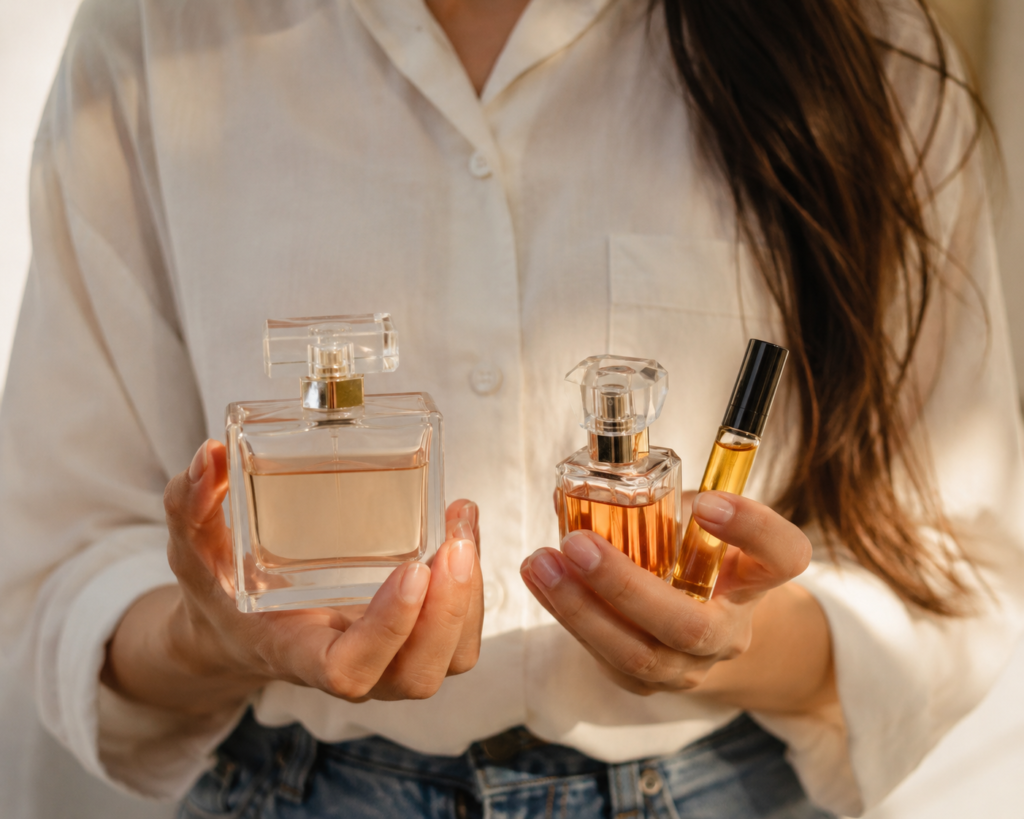
Scent stacking means applying two or more fragrance products to the skin simultaneously. The products can be perfume sprays, oil roll-ons, scented lotions, or body mists. Each product adds a different smell. When combined, they make a new scent.
The final result is unique to the person who made it. No two people will get the same blend, even if they use the same products. This is because skin chemistry changes how smells develop. Scent stacking gives every person the chance to wear a fragrance that truly belongs to them.
Where Scent Stacking Comes From
Many people believe scent stacking started recently on social media. That is not correct. Layering different scents is an old practice. It goes back hundreds and even thousands of years.
In ancient Middle Eastern traditions, people used oil-based scents called attars. They also used single-ingredient oils and oud wood. They would layer these scents one on top of another every day. Some historians say the practice began even earlier in ancient Mesopotamia. There, worshippers layered up to seven different scents during religious ceremonies.
The name “scent stacking” may be new on Instagram and TikTok. But the practice itself is very old. Today, people are reviving an ancient tradition. Social media has simply given it a fresh name.
Interest in this practice has grown a lot. Pinterest included scent stacking in its list of top trend predictions. On Instagram, posts tagged with #scentstacking have received tens of thousands of views. This shows that many people want to make their own unique fragrances instead of wearing mass-produced scents that everyone else has.
Reasons People Choose Scent Stacking Today
Scent stacking has become popular for several clear reasons.
- First, people want to stand out. Wearing a perfume that millions of other people also wear does not feel special. Many people look for ways to express their individuality. A unique personal smell is very appealing. Scent stacking allows a person to create a fragrance that truly shows who they are, not just what a perfume company decided to sell.
- Second, the process is fun and creative. Mixing scents becomes an enjoyable activity. Many fragrance lovers have large collections of bottles at home. Scent stacking gives them a reason to use all those different scents in new ways. It turns a daily routine into something to look forward to.
- Third, scent stacking solves the problem of short-lasting fragrances. Some perfumes smell wonderful but fade away quickly. By layering a short-lasting scent over a strong, long-lasting base oil, the lighter fragrance stays on the skin much longer. This is a practical benefit that many people appreciate.
- Fourth, a person can change their scent to match their mood or the time of day. Someone might wear a bright, fresh combination in the morning. Then they add a warmer, deeper layer in the evening. The same person can smell completely different by simply adjusting the layers.
- Fifth, the fragrance industry is changing. More brands now release products made specifically for layering. These include single-note oils and light perfumes that blend easily with others. This makes it easier than ever for anyone to start stacking scents at home.
Three Parts of Any Perfume
Before learning to stack scents, it helps to understand how one perfume is built. Professional perfumers do not just use random ingredients in a bottle. They use a clear structure with different layers.
Every perfume has three kinds of notes: top notes, middle notes, and base notes.
Top notes are the first smells a person notices when they spray perfume. They are light, fresh, and bright. Examples include lemon, orange, lavender, and green tea. Top notes grab attention right away, but they do not last long. They usually fade within fifteen minutes to one hour.
Middle notes appear after the top notes start to fade. These are also called heart notes. They form the true personality of the fragrance. Middle notes can be floral, like rose or jasmine. They can be spicy like cinnamon or black pepper. They can also be fruity, like peach or berry. These notes last longer than top notes, usually for a few hours.
Base notes are the foundation of the perfume. These are the deepest, heaviest, and longest-lasting smells. Base notes include sandalwood, vanilla, musk, amber, patchouli, and oud. They can stay on the skin for many hours or all day. Base notes provide warmth, depth, and staying power. They hold the lighter notes above them so the whole fragrance does not disappear too quickly.
When a person sprays perfume, they smell the top notes first. Then those fade, and the middle notes become more noticeable. Finally, the base notes remain, leaving a soft, warm trace on the skin. This is why a good perfume changes throughout the day. Understanding these three layers is very helpful for scent stacking.
Simple Steps to Begin Layering Scents
Scent stacking is not hard. Anyone can learn to do it with a little practice. Follow these simple guidelines.
Start with two scents. Many experts recommend beginning with just two products. Trying to mix three or four at once can create a messy smell. When too many notes overlap, the individual scents become unclear and hard to recognize. Start with two. After that feels comfortable, a third layer can be added.
Layer from heaviest to lightest. Apply the thickest, oiliest, most long-lasting products first. Then put the lighter, more delicate scents on top. For example, if someone uses a scented body lotion, a perfume oil, and a spray perfume, the order should be lotion first, then oil, then spray. The heavier base products help the lighter ones stick to the skin and last much longer.
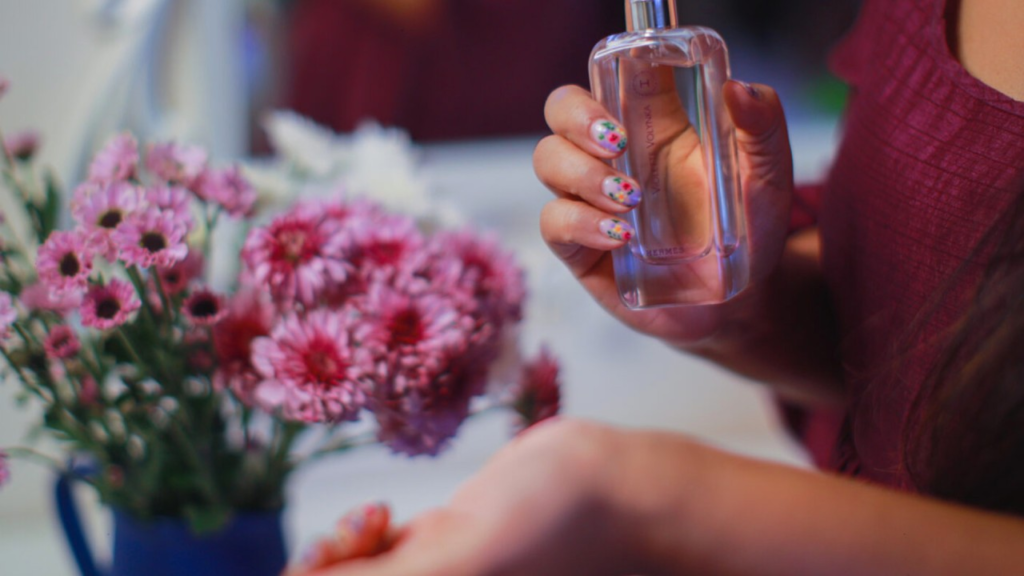
Apply oil-based fragrances to pulse points. Pulse points are places where blood vessels are closest to the skin. These include the wrists, the inner elbows, the sides of the neck, and behind the ears. These spots are warm. The heat helps the fragrance spread and develop nicely.
Test on the skin. Paper testing strips can give a rough idea of how two scents might smell together. But skin testing is the only way to know for sure. Every person’s skin chemistry is different. The same perfume can smell one way to one person and completely different to another. Body heat, natural oils, and even diet can affect how a fragrance develops. The final test must always be on the skin.
Wait between layers. After applying each layer, wait a few minutes before adding the next one. This gives each scent time to settle and start interacting with the skin. Rushing can lead to disappointing results.
Do not be afraid to experiment. There are no strict rules about which scents can and cannot be mixed. A sweet vanilla perfume may smell amazing with a sharp citrus scent. A deep woody oil can be brightened by a light floral spray. The only way to discover new favorites is to try things and see what happens.
Tips for Picking Scents That Work Well Together
When first learning to stack scents, it helps to think about which notes naturally work well together.
Classic Pairings to Try
Professional perfumers often recommend certain pairings. These include rose with oud, vanilla with amber, white florals with musk, sandalwood with spices, jasmine with woody notes, and citrus with neroli. These combinations have been used for many years because the notes complement each other without clashing.
A Simple Three-Layer Rule
One simple approach is to choose one base oil that is warm and grounding. Then add one perfume that provides the main character of the blend. A perfumer named Neha Vij suggests a three-layer rule for beginners. First, apply one oil that is skin-close and warm, such as sandalwood, vanilla, musk, or amber. This base holds everything together. Second, add one light spray of perfume that is floral, woody, or spicy. This layer adds character. Third, if desired, finish with a fresh note, such as citrus or green tea for brightness. This top layer creates the first impression.
Understanding Fragrance Families
Another way to think about scent stacking is to consider fragrance families. The main families include floral, woody, oriental or amber, fresh or citrus, and gourmand (sweet edible scents like vanilla and chocolate). Staying within the same family often creates a smooth blend. Mixing across families can create exciting contrasts.
For example, a person might start with a warm vanilla oil as the base. Then they spray a floral rose perfume over it. The combination becomes sweet and romantic. Or they could start with a clean, musky oil and then add a bright lemon perfume on top. That combination becomes fresh and energizing. The possibilities are endless.
Examples of Popular Blends
Here are some real combinations that fragrance lovers have tried and enjoyed. One uses a rich, leathery scent paired with a soft, delicate rose. The leather adds depth and strength. The rose adds softness and sweetness.
Another combination pairs a warm, spicy scent with a creamy vanilla or amber oil. The spices give excitement and warmth. The vanilla or amber smooths everything out and makes it feel cozy. A third example uses a clean, fresh aquatic scent layered over a woody base. The aquatic notes smell like fresh water. The woody base adds warmth and grounding.
People also enjoy layering sweet scents with bright citrus notes. The sweetness of vanilla or caramel can be heavy on its own. When lightened with a sharp citrus like lemon or orange, it becomes more balanced. These examples are just starting points. Once a person learns the basic ideas, they can create their own original combinations.
How Body Chemistry Changes a Fragrance
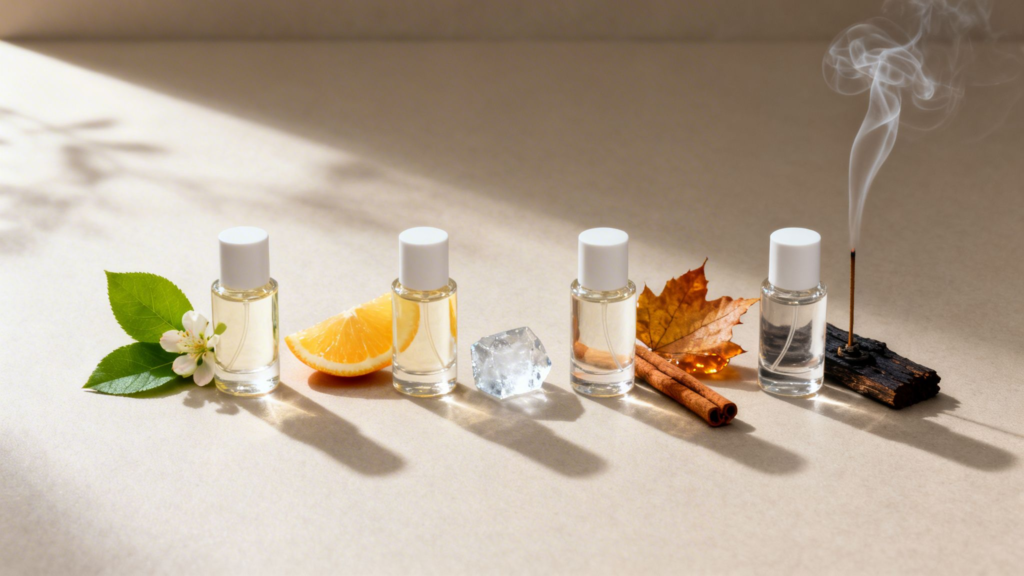
The same scent can smell different to different people. Body chemistry plays a very important role in how a perfume develops on the skin.
When a fragrance is applied, it reacts with the body’s natural oils, sweat, and the bacteria that live on the skin’s surface. These reactions change how the individual notes come through. A perfume that smells very sweet on one person may smell much more floral on another.
This is why testing on the skin is so important. Two people can use the same two oils and perfumes to make a layered blend. But the final result may smell different on each of them. Even when two people try to copy the same recipe, their unique body chemistry makes the blend their own.
A person should never feel discouraged if a combination that worked for someone else does not work for them. Their skin is simply different. That is a good thing. They just need to keep experimenting until they find the blends that work best with their own body chemistry.
Building Your Own Fragrance Collection at Home
The rise of scent stacking is part of a larger change in how people think about fragrance. More consumers are moving away from mass-produced perfumes. They seek personalized, custom experiences instead.
Why Personalized Fragrance Matters
The global customized perfume services market continues to grow. In 2025, this market was valued at around nine billion US dollars. It is expected to reach nearly thirteen and a half billion dollars by 2032. This growth shows that people are willing to invest in fragrances that feel unique and personal to them.
Fragrance customization services are becoming more common. Professional perfumers work directly with customers to create exclusive blends based on their preferences. At the same time, everyday consumers are learning to become their own perfumers at home through scent stacking.
There is deep satisfaction in wearing a fragrance that no one else can wear. A bottle of perfume bought from a store is the same for everyone who buys it. But a layered scent that a person creates with their own hands is theirs alone.
Steps to Start Your Collection
The process of experimenting, discovering, and refining a personal blend teaches patience. It sharpens the sense of smell and encourages creativity. Over time, a person who practices scent stacking develops a deeper understanding of fragrance and a more refined nose.
This practice also allows a person to build a fragrance collection instead of owning just a single bottle. A person can choose different scent stacks for different moods, seasons, times of day, or social settings. One day may call for a bright, fresh citrus blend. Another day may ask for a warm, comfortable vanilla and sandalwood combination. A special evening out may demand something deeper.
For anyone who wants to try scent stacking for the first time, start with what is already at home. Most people have at least two or three different fragrances. Try putting them together in different combinations. Spray one on the wrist and another on the other wrist. Then bring the wrists close together to smell how they blend. Or spray one scent first, let it dry, and then spray the second scent on top.
Pay attention to how the combined scent makes you feel. Does it bring joy? Does it feel right? If yes, that combination works. If not, try a different pairing. There is no wrong answer, only personal preference.
As confidence grows, add a few single-note oils to the collection. Oils like vanilla, sandalwood, musk, and amber are excellent starting points because they blend well with almost anything. Many fragrance brands now sell these simple, pure oils specifically for layering.
Enjoy the Process
Scent stacking is supposed to be fun. It is not a test. The only goal is to create something that smells beautiful and feels right. Every person has a unique scent signature waiting to be discovered. Scent stacking is a wonderful way to find it.
For those who wish to explore more about fragrance, perfume oils, and the art of creating beautiful scents, visit delightbearer.com to learn more and continue exploring the world of personalized fragrance.