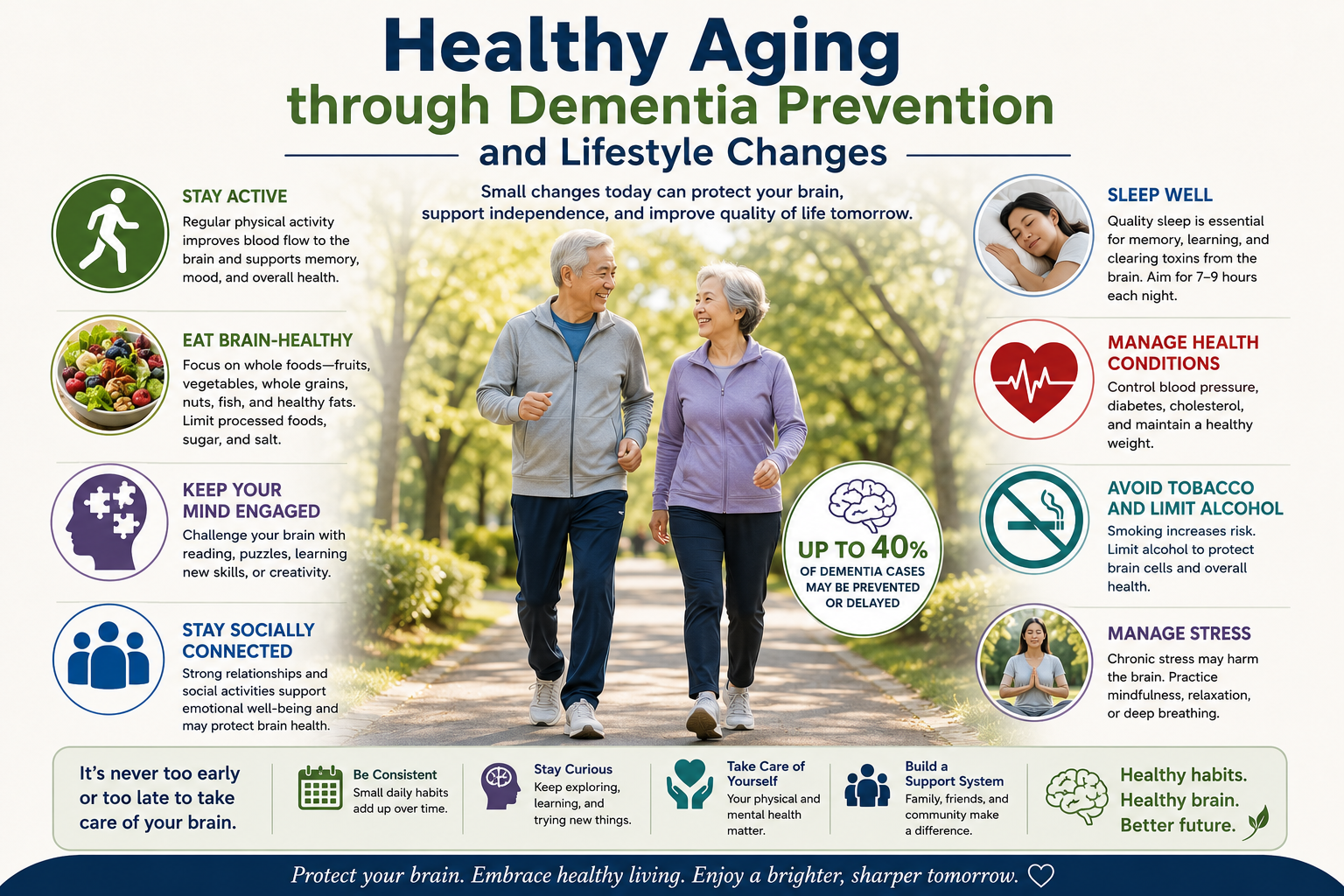

Dementia prevention has become one of the most important health topics of our time. The World Health Organisation (WHO) recently released updated guidelines that reveal an encouraging truth: up to 45% of dementia risk can be prevented or delayed through simple lifestyle changes. This means nearly half of all dementia cases could potentially be avoided. For the millions of people worried about developing this condition, these findings offer real hope. Dementia prevention is no longer just a theoretical concept but a practical goal that anyone can work toward.
What Is Dementia and Why Does It Matter?
Before exploring how to prevent dementia, it helps to understand exactly what this condition is and why it matters so much. Dementia is not a single disease, but rather a general term for a group of brain conditions. Dementia prevention has become one of the most important health topics of our time. The World Health Organisation (WHO) recently released updated guidelines that reveal an encouraging truth: up to 45% of dementia risk can be prevented or delayed through simple lifestyle changes. This means nearly half of all dementia cases could potentially be avoided. For the millions of people worried about developing this condition, these findings offer real hope. Dementia prevention is no longer just a theoretical concept but a practical goal that anyone can work toward.
Conditions that affects memory, thinking, and the ability to perform everyday activities. The most common form is Alzheimer’s disease, which accounts for approximately 60 to 70 percent of all dementia cases. When someone develops dementia, their brain cells gradually stop working properly and eventually die, leading to progressive decline in cognitive function.
The scale of this problem is staggering. Currently, more than 57 million people worldwide are living with dementia, and nearly 10 million new cases are diagnosed every single year. To put these numbers into perspective, someone develops dementia somewhere in the world approximately every three seconds. Beyond the human toll, dementia carries a massive economic burden, costing the global economy an estimated 1.3 trillion dollars annually. About half of this cost comes from unpaid care provided by family members and friends, which highlights the immense pressure this condition places on loved ones.
Perhaps most importantly, dementia affects far more than just memory. This condition gradually strips away a person’s independence, dignity, and sense of safety. People with dementia often struggle to recognize their own family members, forget how to perform basic tasks, and eventually require round-the-clock care. The emotional toll on families and caregivers is immeasurable, making prevention strategies not just a medical priority but a deeply personal one as well.
The 45 Percent Dementia Risk Prevention Revelation
The most exciting finding from the World Health Organization’s research is that up to 45 percent of dementia risk can be attributed to modifiable risk factors. In simple terms, this means that nearly half of all dementia cases are potentially preventable. These risk factors are called “modifiable” because they are things we can actually change through our actions and choices. This stands in stark contrast to risk factors we cannot control, such as our genetics or age.
The World Health Organization’s Director-General, Dr. Tedros Adhanom Ghebreyesus, expressed this sentiment powerfully when he stated that we know more today than ever before about what drives dementia risk, and these guidelines translate that knowledge into action. Countries now have clear, evidence-based recommendations they can put into practice immediately to protect people’s cognitive health. This represents a major shift from viewing dementia as an inevitable tragedy to recognizing it as a condition we can actively fight against.
What makes this 45 percent figure so remarkable is that it suggests millions of dementia cases could be avoided entirely. For the 57 million people currently living with dementia, this knowledge comes too late, but for future generations, it offers unprecedented hope. The guidelines are based on a synthesis of the latest available evidence, and the World Health Organization hopes this information will help both individuals and healthcare professionals reduce the burden of dementia in the coming decades.
Key Dementia Risk Prevention Factors You Can Control
Tobacco Use and Brain Health
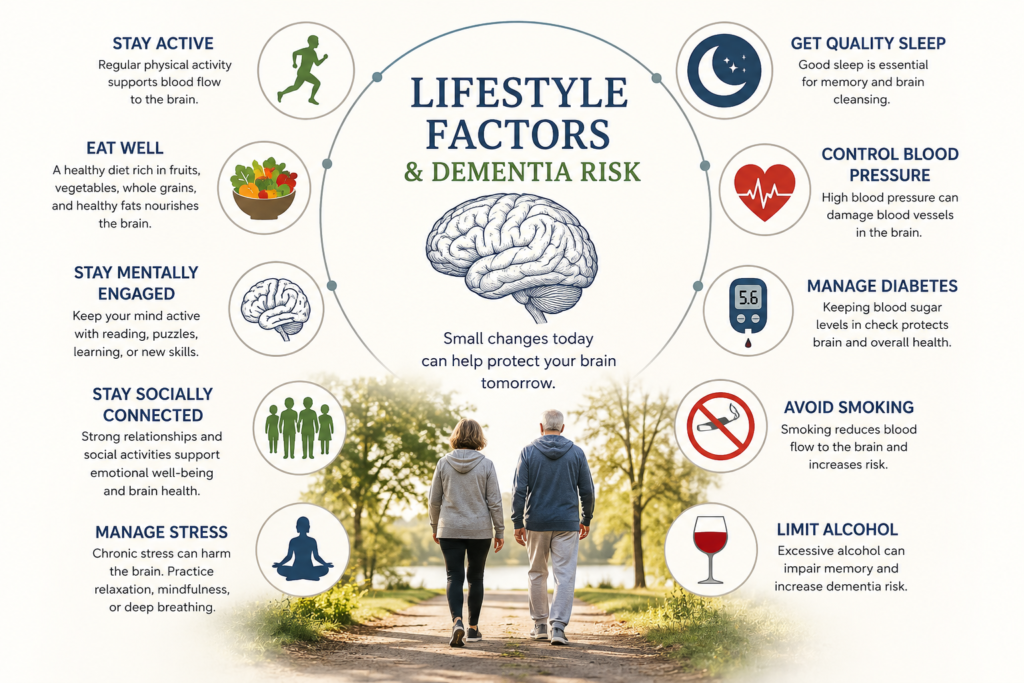
Tobacco use stands as one of the most significant preventable risk factors for dementia. Smoking damages blood vessels throughout the body, including those in the brain, reducing blood flow and oxygen delivery to brain cells. Over time, this damage accumulates and significantly increases the likelihood of developing dementia. The good news is that quitting tobacco use at any age can reduce this risk, and the brain begins to benefit almost immediately after stopping.
Alcohol Consumption and Cognitive Decline
Harmful alcohol consumption also plays a major role in dementia risk. Excessive drinking damages brain cells directly and can lead to nutritional deficiencies that further harm cognitive function. The World Health Organization recommends reducing alcohol consumption as part of an overall strategy to lower dementia risk.
Physical Activity for Dementia Risk Prevention
Physical inactivity represents another critical risk factor. Regular physical activity increases blood flow to the brain, promotes the growth of new brain cells, and helps maintain healthy blood vessels. Conversely, a sedentary lifestyle accelerates cognitive decline and increases dementia risk. The updated guidelines strongly recommend increasing physical activity as a key intervention.
Social Isolation and Brain Function
Social isolation has emerged as a particularly important risk factor. Humans are fundamentally social creatures, and our brains thrive on interaction with others. When people become isolated, especially in later years, their cognitive function often declines more rapidly. Around one in four older people experience feelings of isolation, and experts estimate that if we could eliminate loneliness, about 5 percent of dementia cases could be prevented.
Environmental Factors in Dementia Risk Prevention
Air pollution represents a newer addition to the list of modifiable risk factors. The World Health Organization’s updated guidelines include a new recommendation to reduce exposure to air pollution, reflecting mounting evidence linking long-term exposure to polluted air with cognitive decline. This addition underscores how environmental factors play a significant role in brain health.
Managing Health Conditions for Dementia Risk Prevention
Noncommunicable diseases such as high blood pressure and diabetes also contribute substantially to dementia risk. These conditions damage blood vessels throughout the body, including those supplying the brain. Proper management of these conditions through medication, lifestyle changes, and regular medical care can significantly reduce dementia risk.
World Health Organization Recommendations for Dementia Risk Prevention
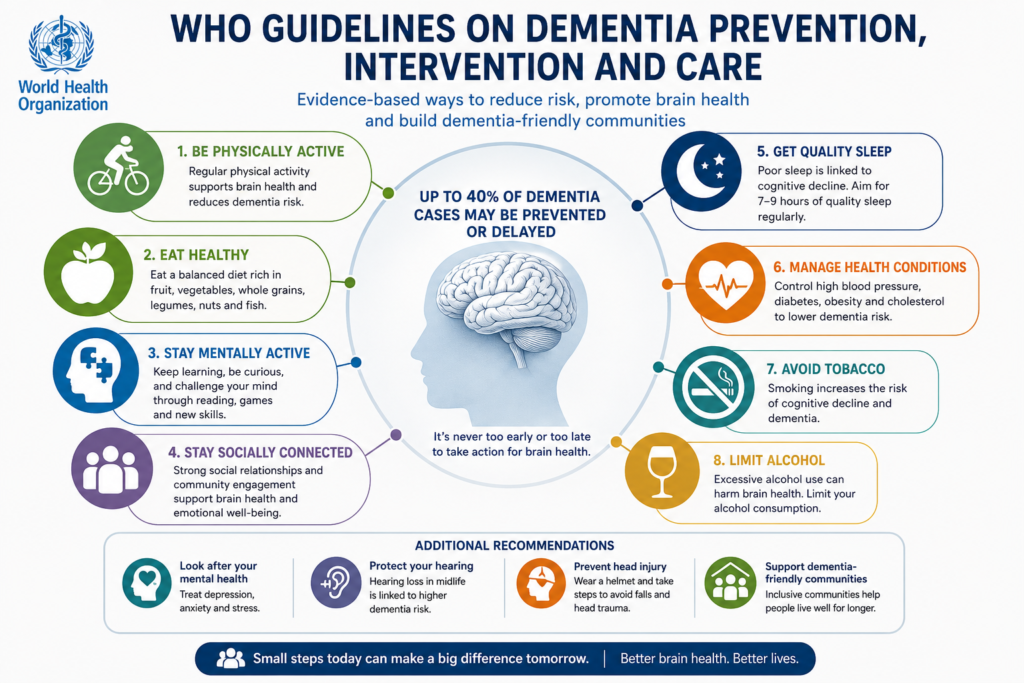
The World Health Organization’s updated guidelines provide concrete recommendations for reducing dementia risk. These recommendations are organized around several key areas that work together to protect brain health.
Cognitive Stimulation and Brain Training
Cognitive stimulation has received strong endorsement in the new guidelines. Engaging in activities that challenge the brain helps build what researchers call “cognitive reserve,” which is essentially a buffer that protects against brain damage. The guidelines recommend cognitive training, cognitive stimulation interventions such as tabletop games, and cognitively stimulating activities like reading or playing musical instruments. Everyday activities like reading aloud, storytelling, and playing games can accomplish this goal. The key is consistency, challenge, and curiosity to keep the brain sharp.
Social Engagement Strategies
Social engagement is another crucial recommendation. The guidelines suggest that engagement in social activities may be recommended for adults with normal cognition or mild cognitive impairment. This might simply mean phoning friends, meeting friends for lunch, engaging in community-based activities, or joining clubs. Social interaction builds cognitive reserve by keeping the brain actively engaged with others and exposed to new ideas and perspectives.
Exercise and Dementia Risk Prevention
Physical activity remains a cornerstone of dementia prevention. Regular exercise improves cardiovascular health, increases blood flow to the brain, and promotes the growth of new brain cells. The guidelines recommend physical activity as a validated intervention to reduce the risk of cognitive decline.
Nutrition and Brain Health
A healthy diet plays an essential role in brain health. Adopting a healthy diet rich in fruits, vegetables, whole grains, and lean proteins provides the brain with the nutrients it needs to function properly. The guidelines also recommend dietary restriction interventions for adults with overweight or obesity.
Medical Management for Dementia Risk Prevention
Managing medical conditions is critical for dementia prevention. Proper management of hypertension, diabetes, and high cholesterol can help reduce dementia risk. The guidelines recommend stronger integration of services for noncommunicable diseases, mental health, and brain health.
Hearing Aids and Cognitive Health
Hearing aids may be offered as part of risk-reduction strategies. Untreated hearing loss can lead to social isolation and cognitive decline, making hearing aids an important tool for maintaining brain health.
What the Guidelines Do Not Recommend
Equally important as what the guidelines recommend is what they advise against. The World Health Organization does not recommend supplementation with vitamins B and E, omega-3 polyunsaturated fatty acids, or multivitamins and minerals for reducing the risk of cognitive decline or dementia in the absence of a diagnosed deficiency. This is because there is insufficient evidence of any potential benefits that would outweigh unexpected harmful effects.
Similarly, the guidelines do not recommend menopausal hormone therapy for specifically reducing the risks of cognitive decline or dementia in postmenopausal women ages 65 and older, based on very low-certainty evidence. For women under age 65, there was not enough evidence to decide.
Taking Action Against Dementia
The World Health Organization’s message is clear and empowering: dementia is not inevitable. By understanding and addressing modifiable risk factors, individuals can take control of their brain health and significantly reduce their risk of developing this devastating condition. This knowledge transforms dementia from a terrifying unknown into a manageable challenge.
The guidelines represent an important opportunity to reduce the burden of dementia in the coming decades. They provide consolidated recommendations on addressing unhealthy behaviors, managing medical conditions, and reducing exposure to environmental factors that may contribute to cognitive decline and dementia.
A Message of Hope
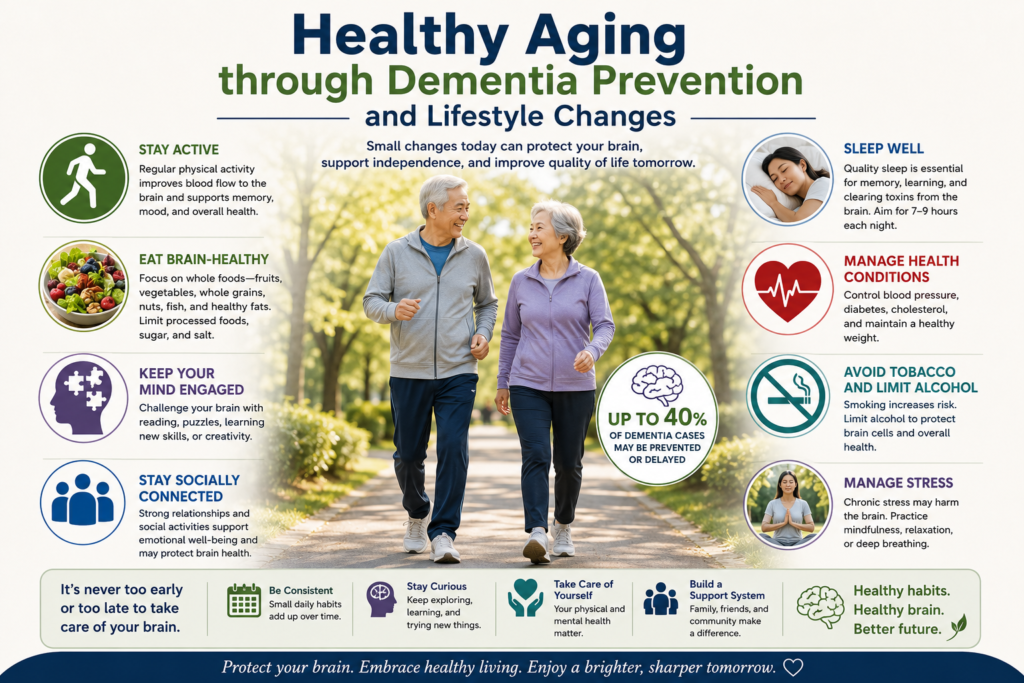
For too long, dementia has been viewed as an unavoidable consequence of aging, something to be feared but ultimately accepted. The World Health Organization’s latest guidelines shatter this fatalistic perspective. Up to 45 percent of dementia risk can be prevented or delayed through simple, actionable changes that anyone can make. This is not just a medical breakthrough; it is a message of hope for millions of people around the world.
The journey toward preventing dementia begins with small steps. Quitting smoking, reducing alcohol consumption, staying physically active, maintaining social connections, eating a healthy diet, managing chronic conditions, and reducing exposure to air pollution are all within our control. These actions not only reduce dementia risk but also improve overall health and quality of life.
For those who wish to explore more educational content about brain health and dementia prevention, Delight Bearer offers a wealth of resources. This platform provides accessible information to help individuals understand and implement WHO’s recommendations in their daily lives.