
The Gen Z luxury redefinition represents one of the most significant shifts in consumer behavior we have witnessed in decades. For generations, luxury meant owning expensive items that displayed your success. The designer handbag. The luxury watch. The high-end car with the recognizable logo. These possessions signaled status to everyone around you. But Gen Z has completely rewritten these rules, creating a new playbook for what signals value and prestige today. The Gen Z luxury redefinition centers on one powerful idea: access matters more than ownership. In a world where almost anyone can buy luxury items, the real status symbol is being close to something exclusive. It is about getting into the right rooms and being part of special communities.
What Gen Z Luxury Redefinition Means for Modern Status
Gen Z and Millennials do not just want products anymore. They want backstage moments, early access, private communities, member-only experiences, and proximity to culture makers. They crave “I was there” credibility.
Closeness matters more than possessions now. You can buy the bag. But can you get the invite? Can you get into the room? Can you be part of the inner circle? That is real currency today.
The Gen Z luxury redefinition makes one thing clear: access is the new status symbol. Membership is the new merch.
The Data: Youth Will Pay for Access
This is not just a theory based on vibes. The spending behavior speaks volumes.
According to recent research:
- 74% of Gen Z prefer spending money on experiences over physical items
- The global experiential economy is projected to surpass $12 trillion in the coming years
- Subscription and membership models are surging as consumers pay for belonging
Here is the most telling detail: young people are not just paying for experiences. They are paying for the feeling of being chosen. This is psychology, not just consumerism.
Why Access Hits Harder Than Ownership in Gen Z Luxury Redefinition
Products Can Be Copied. Moments Cannot.
Fashion gets knocked off within a week. A viral aesthetic gets replicated overnight. However, access is scarce by design, and scarcity creates meaning. You cannot copy being in a room when something historic happened.
Youth Culture Runs on Social Proof
Let us be honest about what the modern status symbol actually is. It is not a Rolex watch. Instead, the real status symbols include:
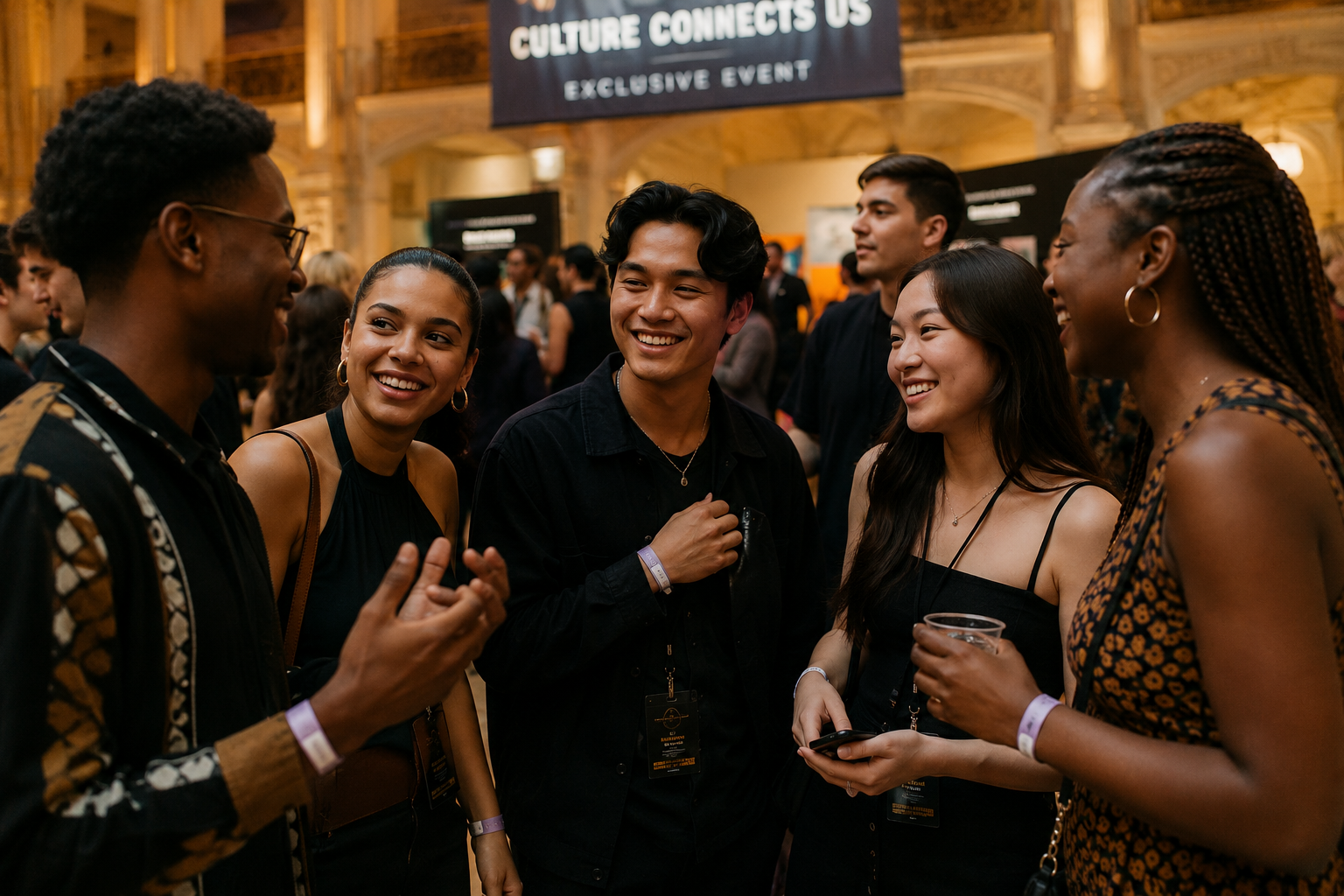
- The special wristband
- The friends and family invitation
- The early access link
- The backstage selfie
- The private Discord role
- The story that says “only 20 people got this”
In youth culture, the flex is not what you bought. It is what you managed to get into. This perfectly illustrates how Gen Z luxury redefinition prioritizes access over possessions.
Belonging Is the New Wealth
Gen Z came of age during significant challenges, including economic instability, pandemic isolation, political chaos, and algorithmic overload. They want nice things, yes, but they want community and identity even more. Access provides both of these needs simultaneously.
What Brands Keep Getting Wrong About Gen Z Luxury Redefinition
Here is the problem many brands face. Most still think exclusivity means being expensive. However, youth culture does not care about expensive. They care about meaningful instead.
A brand can charge $500 for a bag and still feel irrelevant to this generation. But a brand can charge $25 for a ticket to a tiny, curated event and become a cult favorite. It is about the access point, not the price point.
Brands that want to reach Gen Z and Millennials need to stop thinking like retailers. They need to start thinking like cultural architects instead. The winning approach is not “buy this.” It is “come closer.” Young people do not want to consume culture passively. They want to be inside it actively.
The Shift from Status Symbols to Access Symbols

So what does this mean for traditional luxury status symbols like Birkin bags, Rolex watches, and designer logos? They are not dead, but their meaning has transformed completely.
Some Gen Z consumers still purchase these items, but for different reasons than their parents. They are not buying them to show off to others. Instead, they treat these items as investments that might increase in value over time. They view luxury goods similarly to stocks rather than trophies. They purchase them, enjoy them briefly, and then sell them for profit. The status lies in savvy decision-making, not in simple ownership.
For many others, the true status symbol is not a physical object at all. It is an experience or a connection. It means receiving invitations to exclusive dinners that few can access. It means gaining entry to private members’ clubs. It means belonging to communities of like-minded people who share your values and ambitions.
How the Gen Z Luxury Redefinition Is Reshaping Marketing

Even luxury brand marketing strategies are changing dramatically. Companies no longer simply sell products to consumers. Instead, they sell stories, lifestyles, and cultural relevance. They collaborate with artists, host exclusive events, and create immersive experiences that go far beyond simple transactions.
Brands are also becoming more transparent about their values. They show genuine commitment to sustainability rather than just paying lip service. They create personal, authentic experiences worth sharing on social media. They build communities rather than just customer bases.
The most successful brands understand that the Gen Z luxury redefinition means luxury is not about what you own. It is about who you are and what you stand for as an individual.
What This Means for the Luxury Industry
For the luxury industry, this shift brings both challenges and opportunities. The old model based on exclusivity and scarcity is fading away. Companies cannot simply place high price tags on items and expect young people to line up. They cannot rely solely on heritage to carry them forward.
Brands must earn the attention and loyalty of this new generation instead. This requires genuine transparency about company values. It means demonstrating authentic commitment to sustainability rather than just talking about it. It means creating experiences that feel personal and authentic. It means building communities rather than just building customer databases.
The brands that figure this out will thrive in the coming years. Those that cling to the old ways, trying to sell status through logos and price tags, will find themselves left behind. The future of luxury belongs to brands that tell compelling stories, offer access to something meaningful, and care about the planet simultaneously.
The Takeaway
The Gen Z luxury redefinition proves that luxury in 2026 is not about ownership. Instead, it is about connection and closeness to influential moments, people, and communities. What matters is access: being in the room, joining the experience, and feeling part of the inner circle.
Access is the new status symbol. Membership is the new merch. Proximity and belonging are the new power. Because in the attention economy, the most valuable thing is not a product. The most coveted luxury is a seat at the table.
If you want to dive deeper into content that engages, converts, and builds lasting authority, explore more educational resources at https://delightbearer.com/. Their team of expert writers and strategists helps brands tell stories that genuinely matter to the people they want to reach. Ultimately, whether you sell luxury experiences or share valuable insights, the key remains the same: connect with your audience on a human level and give them something they can truly care about. Check out our guide to building brand communities for more actionable strategies. You might also enjoy our deep dive into youth consumer behavior trends to stay ahead of the curve.