
The analog lifestyle means choosing offline activities over constant screens and AI convenience. More people now pick up yarn, garden, or bake bread instead of scrolling for hours. This article explains why the analog lifestyle is growing and how to start your own.
For a long time, the world has been moving in one direction. That direction is faster, smarter, and more connected. From smart homes that turn on the lights before a person walks in the door to artificial intelligence that writes emails, schedules meetings, and even creates art, life has never been more convenient. It feels like magic. A person can press a button and have dinner delivered, or ask a device a question and get an instant answer. This is the world of AI-powered living, and it is truly amazing.
But something different is also happening. Right in the middle of all this fast technology, a quiet movement is growing. People are starting to step back. They are choosing to put down their phones. They are picking up things that do not need electricity. This is called the analog lifestyle backlash.
Not About Hating Technology
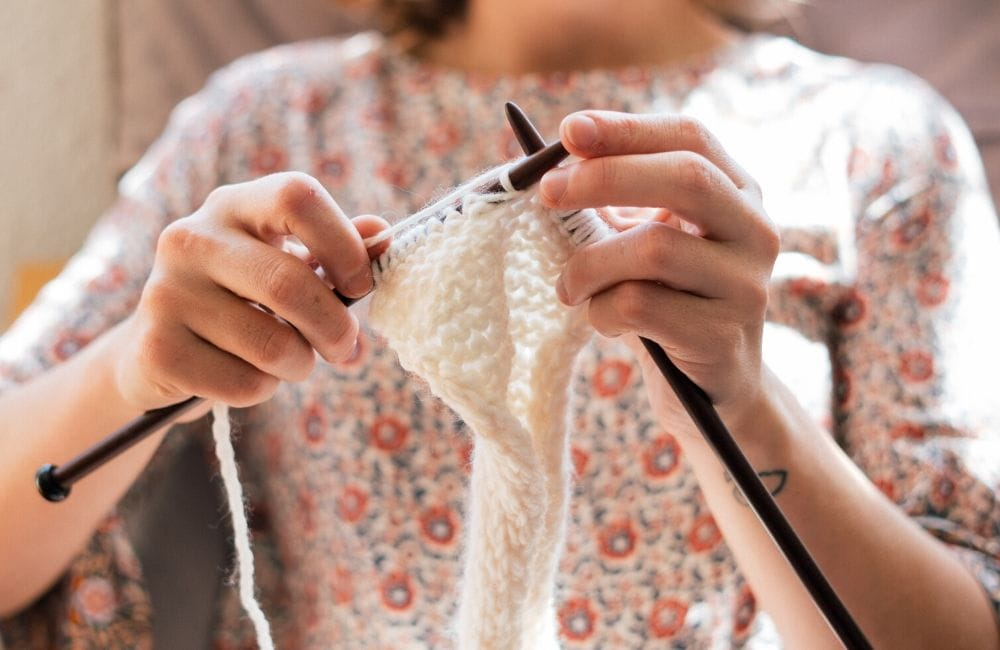
It is not that people hate technology. That is not the truth. Instead, many people now see that a life run only by machines feels empty. The human brain and heart need more. Touching real objects is part of that need. Making things with their own two hands is another part. Above all, they need to do one thing at a time without a screen blinking in front of them.
This is not a small trend. The numbers tell a clear story. People want real, hands-on activities. For example, searches for yarn kits have gone up by 1,200 percent. That is not a mistake. More and more people, both young and old, are buying yarn and needles. They want to knit or crochet at home. This might seem strange in a digital world. But that makes sense if you consider how tired you get after a full day of looking at a screen.
Why People Are Moving Away From Screens
To understand this backlash, a person needs to look at what constant connection does to the human mind. Think about a normal day. A person wakes up and checks their phone. They read the news, look at emails, and scroll through social media. Then they go to work, where they stare at a computer screen for eight hours. After that, they come home, watch a show on a tablet, and fall asleep looking at a phone.
The brain never gets a rest. Experts in mental health have found that too much screen time can lead to feelings of worry, sadness, and tiredness. For example, a study by the Centers for Disease Control and Prevention (CDC) found that many adults report feeling these symptoms. Therefore, the constant noise of the digital world is simply too much.
How Analog Hobbies Help the Brain
This is why analog lifestyle hobbies feel good. They give the brain a chance to rest. When a person knits a scarf, their mind slows down. They are not jumping from one piece of information to another. Instead, they are doing one simple task over and over. The soft feel of the yarn is soothing. Likewise, the repeated motion is calming. As a result, the brain gets a break after a long period of non-stop activity.
The Happiness of Making Things by Hand
One of the strongest parts of the analog lifestyle is making something real. In the digital world, much of what people do disappears. A person can spend an hour writing an email, and then it is gone. Similarly, they can spend a day on a video call, and in the end, there is nothing to show.
But when a person makes something with their hands, the result is real. A person who knits a blanket can hold it. They can feel it. Furthermore, they can see every stitch they made. A person who builds a birdhouse can stand back and look at it. In the same way, a person who bakes bread can smell it, taste it, and share it with their family. This feeling of accomplishment is deep and powerful.
Crafting Continues to Grow
Crafting has become very popular. It is not just knitting. People are trying pottery, woodworking, candle making, and embroidery. Learning to fix old furniture instead of throwing it away is another example. Planting gardens and growing their own vegetables is also common. Cooking meals from scratch instead of ordering prepared food is part of this trend.
Why Is This Happening Now?
One reason is that technology has made life very easy. When a machine does everything, people start to feel useless. They start to feel like they are not needed. Doing things by hand reminds a person that they are capable. It proves that they have skills. In addition, it gives them a sense of power that no phone or computer can provide.
An Online Idea That Helps People Unplug
It might seem odd to talk about a trend against technology on social media. However, even the way people use the internet is changing. One popular idea is called the “Analog Hour.” This is a challenge where a person puts away all screens for one full hour each day. During that hour, they do something real. Reading a paper book is one option. Going for a walk is another. Calling a friend on the telephone, not a video call, works well. Drawing or painting is also good. Writing in a journal with a real pen is a favorite choice.
Millions of people have watched videos about this idea. They share their own experiences. Many say they feel much better after just one hour away from screens. Sleeping better is a common result. Worrying less is another benefit. In addition, they enjoy their hobbies more. This is a small change, but it makes a big difference.
The Link to Quiet Quitting
This movement is also linked to the idea of “quiet quitting.” Quiet quitting does not mean leaving a job. Instead, it means pulling back from a culture that expects people to be available all the time. It means deciding that a person’s time belongs to them, not to their boss or their social media followers. Therefore, doing an analog lifestyle hobby is a form of quiet quitting from the digital world. It is a way of saying, “Right now, I am choosing myself.”
What the Government Numbers Show
This is not just a feeling. The numbers support it. According to data from the United States Department of Agriculture (USDA), the number of people going to farmers’ markets has grown by about 40 percent over the last ten years. People are not just going to look. Instead, they go to buy fresh food, talk to the farmers, and touch the vegetables before buying. This is an analog experience. It is slow, personal, and real.
The Bureau of Labor Statistics also tracks how Americans spend their time. Their data shows that over the past twenty years, the amount of time people spend on leisure activities like reading, playing sports, and gardening has stayed strong. At the same time, screen time has grown very fast. In fact, the number of people who say they have no free time at all has gone up. This suggests that people are working more and resting less. As a result, the analog lifestyle backlash is a direct answer to this problem. People are learning to protect their free time and fill it with activities that make them truly happy.
Simple Ways to Start an Analog Life
For someone who wants to join this movement, it is easy to begin. No one has to throw away their phone or delete all their apps. That would not be practical. But small changes can lead to big results.
For someone who wants to join this movement, it is easy to begin. No one has to throw away their phone or delete all their apps. That would not be practical. However, small changes can lead to big results.
Start With a No‑Screen Hour
One simple step is to set a “no screen” time each day. This could be the first hour after waking up or the last hour before bed. During that time, the phone goes into another room. The television stays off. Instead, the person does a hands-on activity. This could be doing a puzzle, watering plants, or writing a letter to a grandparent. The main point is to do something that does not need a screen.
Learn a New Craft
Another good step is to learn a new skill. There are many easy crafts to try. Knitting is a great choice because the supplies are cheap. Yarn and needles cost very little. Therefore, a person can make a simple scarf in just a few evenings. The feeling of finishing that first project is truly special.
Try Small‑Space Gardening

Gardening is another wonderful analog lifestyle hobby. A person does not need a big yard. A few pots on a balcony or by a sunny window are enough. Growing a small herb garden is easy and rewarding. Watching a tiny seed turn into a plant that can be used in cooking is a special experience.
Cook From Scratch
Cooking from fresh ingredients is also a form of analog living. Instead of ordering food or heating a frozen meal, a person can take time to chop vegetables and mix spices. The process is relaxing, and the result tastes good. Sharing a home-cooked meal with family or friends is one of the most human experiences there is.
The True Meaning of This Backlash
At its heart, the analog lifestyle backlash is not about hating technology. It is about finding balance. Technology is a tool. It can make life easier, faster, and more connected. However, when technology takes over every part of a person’s day, something important is lost.
The things that make life worth living are often slow and hands-on. Cold water on the face in the morning feels good. Bread baking in the oven smells wonderful. Laughter around a dinner table sounds warm. Fixing a broken chair gives quiet satisfaction. These things cannot be replaced by an app. Similarly, they cannot be rushed by artificial intelligence. They must be felt and experienced by a real person in the real world.
A Quiet Change Is Happening
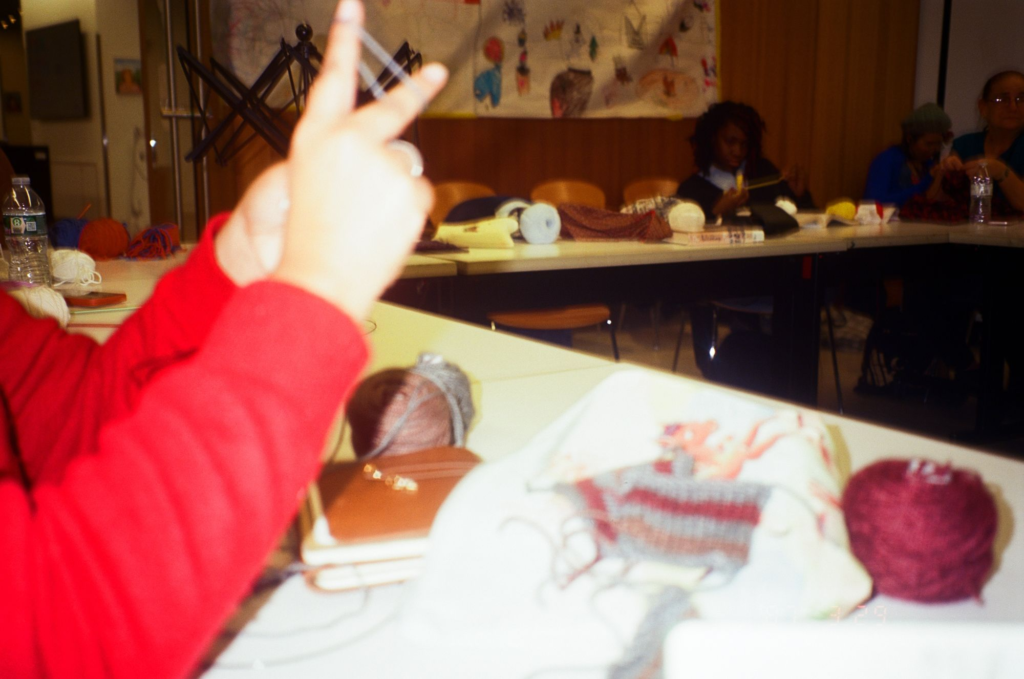
The analog lifestyle backlash is a quiet change. It does not make loud noises or flashy headlines. Instead, it happens in living rooms, backyards, and community centers. It happens when a person puts down their phone and picks up knitting needles. Likewise, it happens when a family sits down to eat a meal they cooked together, with no one looking at a screen.
The numbers show that this movement is real and growing. The 1,200 percent increase in searches for yarn kits is just one example of a much larger shift. People are tired of always being available. They are tired of feeling like their attention is a product to be bought and sold. Above all, they want to feel alive, not just connected.
Conclusion
The future does not have to be a choice between technology and humanity. A person can use the tools of the modern world while also protecting their time and attention. They can let AI handle the boring tasks, so they have more energy for the things that matter. The analog lifestyle is not about going backward. It is about moving forward with open eyes, choosing what adds value and leaving behind what does not.
Pick up some yarn. Plant a seed. Bake a loaf of bread. Write a letter. These small acts are not just hobbies. They are acts of stepping away from a world that wants every second of a person’s attention. And they feel good. The quiet change is here. Anyone can join, and it takes only one small step.
For anyone looking to learn more about living a balanced, joyful life, there are many resources available. For more educational articles and ideas about finding delight in the simple things, visiting the website can be a wonderful starting point. There is a whole world of information waiting to be explored. Visit https://delightbearer.com/. It is a place that understands the value of slowing down and finding happiness in real, human moments.