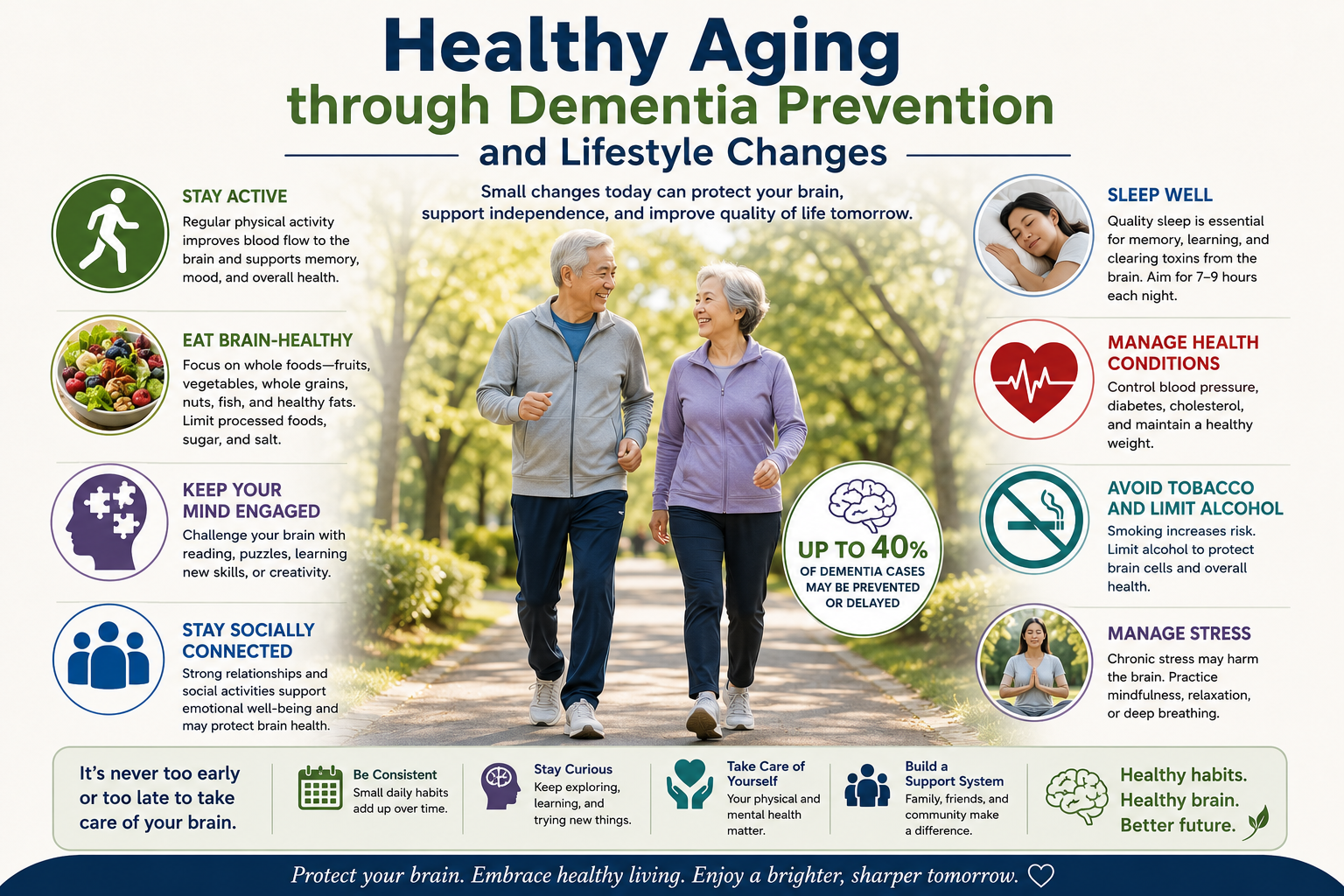


Personalized and Preventive Medicine is a new way of keeping people healthy. This approach uses information about a person’s genes to stop sickness before it starts. The following article explains the meaning of Personalized and Preventive Medicine, how genetics works, and how anyone can create a health plan tailored to them.
A New Way to Think About Health
Every person is different on the inside. These differences come from tiny instructions inside the body called genes. Genes decide how the body grows, how it digests food, and how it reacts to medicines.
In the past, doctors gave the same treatment to everyone with the same sickness. They gave the same pills and suggested the same diets. However, medicine is now changing. Doctors are starting to use each person’s unique genes to guide their care. As a result, this new approach helps people live longer and stay healthier. It also stops many sicknesses before they ever appear.

Definition of Personalized Medicine
Personalized medicine means medical care that is made just for a specific person. It does not treat everyone the same way. Instead, it looks at what makes that person unique. The most important unique feature is often their genes.
Doctors who use personalized medicine first study a person’s genetic information. Then they choose treatments, medicines, and health advice that fit that person best. This is very different from the old method, where most people received the same standard care. For example, two people might have the same type of high blood pressure. Their genes may show that only one of them will respond well to a certain pill. Therefore, personalized medicine helps the doctor pick the right pill for the right person from the start.
Definition of Preventive Medicine
Preventive medicine means stopping sickness before it happens, rather than waiting for someone to fall ill. Preventive medicine checks for problems early. It encourages healthy habits, regular screenings, and early treatment of small issues.
Many people only visit a doctor when something hurts or feels wrong. By that time, a problem may have been growing for months or years. Preventive medicine changes this pattern. It asks people to take care of their health even when they feel perfectly fine. The United States Centers for Disease Control and Prevention has found that heart disease and diabetes are two of the most common causes of death in America. Fortunately, both conditions can often be prevented with early action and correct information.
Definition of Genetics
Genetics is the study of genes. Genes are tiny pieces of information inside every cell of the body. They act as instructions. These instructions tell the body how to build itself, how to repair damage, and fight sickness.
No two people have the same genes. Even identical twins have small differences. Some people have genes that make strong bones. Other people have genes that make it hard to process certain vitamins. Some genes increase the chance of high blood pressure. Other genes protect against certain diseases.
Having a gene that increases the chance of illness does not mean that illness will definitely happen. It simply means the person needs to be more careful. They can take extra steps to protect their health. For instance, a person with genes that raise the risk of weak bones can eat more foods with calcium. They can also do specific exercises and spend time in the sun for vitamin D. These actions can change the outcome even when the genes are not perfect.
How Genetic Information Creates a Personalized Health Plan
Using genetics to build a personal health plan involves five clear steps. Each step is simple and does not require special knowledge.
Step One: Getting a Genetic Test
A genetic test collects a small sample from the body. Most tests use saliva or a gentle swab from the inside of the cheek. The sample then goes to a laboratory, where machines read the genetic instructions. The whole process is painless and takes only a few minutes.
Step Two: Understanding the Results
The laboratory sends back a report with hundreds of pieces of information. A healthcare provider or genetic counselor helps explain what these pieces mean. They show which results are important and which are less important. This step turns raw data into useful knowledge.
Step Three: Building the Health Plan
Based on the genetic results, the healthcare provider writes a personal health plan. The plan may include changes to the diet. It may suggest different exercises. It may recommend earlier health screenings. It may even change which medicines a person should take.
Step Four: Taking Action
A health plan only works if the person follows it. The person needs to eat the suggested foods. They need to do the suggested exercises. They need to attend the suggested screenings at the correct times. Action is the most important part of the process.
Step Five: Reviewing the Plan Regularly
Genes do not change over time. But bodies do change. A health plan that works well at age thirty may need changes at age forty. Regular visits with a healthcare provider keep the plan current and effective.
Real Examples of Genetic Health Plans
Real examples make the process easier to understand.
Caffeine Processing
Some people have genes that make it hard to process caffeine. For these people, drinking more than one cup of coffee in the morning may cause anxiety, sleep problems, or a racing heart. Therefore, a genetic health plan would recommend limiting coffee intake. The person feels better simply by drinking less coffee.
Blood Clot Risk
Other people have genes that increase the chance of dangerous blood clots. For these people, a health plan might recommend moving around during long flights. It might also suggest wearing compression socks or include blood-thinning medicine before surgery. These small steps can prevent a life-threatening clot.
Medicine Response
Some people have genes that prevent their bodies from processing a common blood pressure medicine. A standard doctor might prescribe that medicine and wonder why it does not work. A genetic health plan avoids this problem. It recommends a different blood pressure medicine from the very beginning.
Vitamin Needs
Certain genes create a high need for specific B vitamins. Without knowing this, a person might feel tired and weak for years. A genetic health plan would recommend eating more leafy green vegetables or taking a vitamin supplement. As a result, the tiredness goes away.
Cancer Screening
Some genes raise the chance of developing certain cancers. For these people, a genetic health plan would recommend earlier and more frequent screening tests. The United States National Institutes of Health has reported that early detection through screening saves thousands of lives every single year. Catching cancer early makes treatment much more successful.
How to Get Started
Getting started with Personalized and Preventive Medicine is not difficult. Anyone can follow these steps at their own speed.
Finding the Right Doctor
Not every doctor uses genetic testing. Before scheduling an appointment, ask questions. Does this doctor use genetic information? Does this doctor create personal health plans? Does this doctor focus on preventing sickness or only on treating sickness?
Choosing a Genetic Test
Different tests look at different things. Some tests examine only a few genes. Others examine thousands of genes. Some tests focus on nutrition and fitness. Others focus on medical responses and disease risks. A doctor can help decide which test is best for each person.
Taking the Test and Waiting
After choosing a test, the person provides a saliva or cheek swab sample. Results usually arrive in two to six weeks. During this waiting time, it helps to write down questions. What does the person most want to learn? What health problems run in the family? What symptoms or concerns matter most?
Reviewing Results with a Provider
A meeting to review results may take an hour or more. There is much information to discuss. Writing down the important points during the meeting helps with remembering everything later.
Starting the Health Plan
Small changes work better than big changes. Changing one thing at a time makes it easier to see what works and what does not work. Over time, these small changes add up to big improvements in health.
Why This Matters for Long-Term Health
The goal of Personalized and Preventive Medicine is not only to live longer. The goal is to live better. It means having more good days and fewer bad days. It means having energy for family, work, and fun activities. It means avoiding the pain of preventable sickness.
Preventing Chronic Diseases Early
Many people accept health problems as a normal part of getting older. They think high blood pressure is just something that happens. They think diabetes is bad luck. They think constant tiredness is just part of life. But these beliefs are not correct. Many of these problems can be prevented or delayed with the right information and the right actions.
How Genetics Guides Better Choices
Genetics provides some of that information. It reveals hidden weaknesses and hidden strengths inside everybody. With that knowledge, people can make better choices. They can protect their weak areas and build on their strong areas. Consequently, they can stop problems before those problems start.
The United States Department of Health and Human Services has noted that chronic diseases like heart disease, diabetes, and cancer cause seven out of every ten deaths in America each year. These chronic diseases develop slowly over many years. They start small and grow big. Personalized and Preventive Medicine catches those small problems early, when they are still easy to fix.
The Future of Personalized and Preventive Medicine
The field of Personalized and Preventive Medicine grows better every year. Genetic tests become more detailed and cost less money. Scientists find new connections between genes and health conditions. Meanwhile, doctors become more skilled at using genetic information to help their patients.
In the near future, a regular doctor visit may start with a quick review of the patient’s genetic information. The doctor may already know which medicines will work best before writing a prescription. The doctor may also know which foods cause inflammation for that patient. Additionally, the doctor may know which exercises strengthen weak areas and which exercises might cause injury.
This future is not far away. The tools exist right now, and the knowledge exists right now. The only missing piece is for more people to take the first step and learn about their own genetic instructions.
Conclusion and Next Steps
Personalized and Preventive Medicine changes how people think about health. Instead of waiting for sickness to appear and then reacting, it looks ahead and plans. Instead of treating everyone the same way, it respects each person’s unique genes. The result is better health with less suffering and less wasted time and money.
The journey begins with curiosity. It starts with asking why bodies work differently. It then moves to wondering whether a different approach could lead to better results. From there, the path leads to genetic testing, to personal health plans, and finally to better days filled with more energy and less pain.
For those ready to explore this topic further, delightbearer.com offers many educational resources that explain these ideas in greater detail and provide access to a wealth of information about genetics, personalized health, and preventive medicine.
Final thought
Every person deserves a health plan made just for them. Every person deserves to know what their genes say about their future health. Every person also deserves the chance to stop problems before those problems start. Personalized and Preventive Medicine makes all of this possible.