
Energy security infrastructure has become a top-tier strategic priority. Countries are rushing to secure domestic supply amid shifting global dynamics and growing demand from artificial intelligence technologies.
The world has entered a new era. Indeed, energy is no longer just a commodity. Instead, it is now the foundation of national power, economic strength, and technological leadership. Countries that control their energy future hold a decisive advantage, whereas those that do not remain vulnerable to shocks beyond their borders. This fundamental shift has placed energy security at the very top of government agendas worldwide.
Why Energy Security Matters More Than Ever
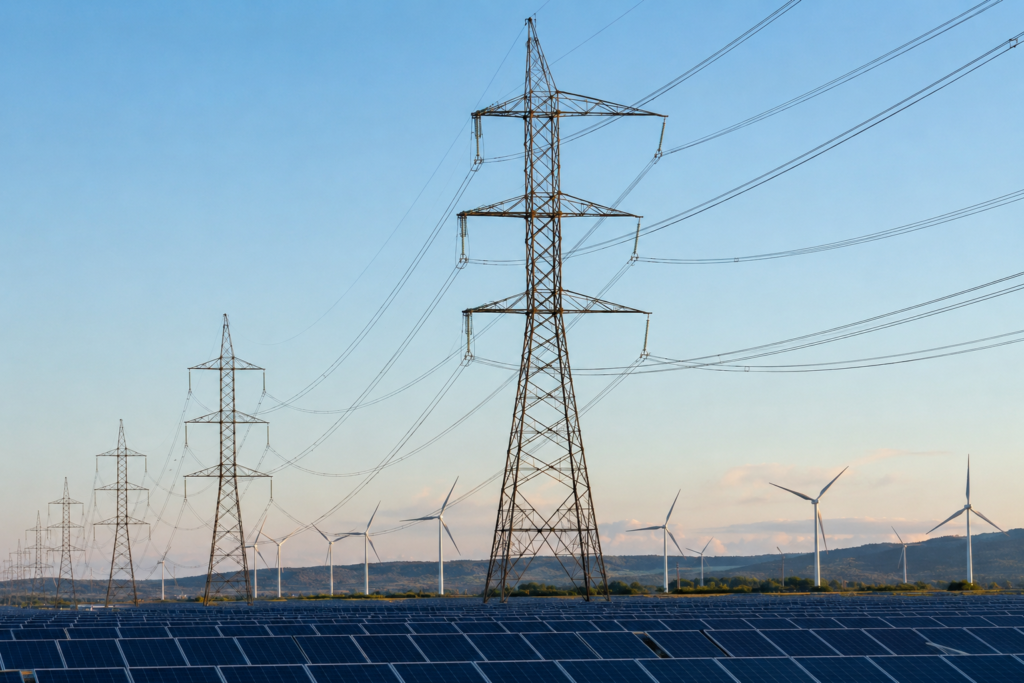
Energy security infrastructure means having reliable, affordable, and uninterrupted access to the energy a nation needs to function. For decades, this mostly meant securing oil and gas supplies. Today, the definition has expanded dramatically.
The International Energy Agency has made this clear. Energy security infrastructure is no longer just about oil or gas. Electricity grids, critical minerals, and delivery infrastructure are now equally essential to stability. These elements matter as much as oil reserves once did.
Geopolitical Fragmentation and Resource Rivalry
The world is fragmenting into new alliances and blocs. Resource access, technological innovation, and artificial intelligence demands drive this fragmentation. Shifting geopolitics and supply chain realignments have elevated energy security as a top priority for many countries. This is not temporary. On the contrary, it is permanent.
Traditional hazards affecting oil and gas supply now face new vulnerabilities. Critical minerals supply chains are the most visible concern. Control over lithium, cobalt, and nickel has become a major source of geopolitical leverage. Export restrictions, domestic processing mandates, and supply chain weaponization reshape trade and investment risks. As a result, countries race to secure these materials because they are essential for batteries, electric vehicles, and renewable energy storage.
The AI Revolution Is Reshaping Energy Demand
Artificial intelligence has moved from forecast to immediate system stressor. Data centers and AI training loads accelerate faster than predictions suggested. Electricity demand for data centers worldwide will grow by 16 percent in 2025 and will double by 2030. It will double by 2030.
Global data center electricity consumption will rise from 448 terawatt hours in 2025 to 980 terawatt hours by 2030. This equals adding entire countries’ electricity consumption to the global grid in just a few years.
The Surge from AI‑Optimized Servers
AI-optimized servers drive this growth primarily. Their electricity usage will rise nearly fivefold. Consumption will increase from 93 terawatt hours in 2025 to 432 terawatt hours by 2030. In 2025, these servers represent 21 percent of total data center power usage. By 2030, that share climbs to 44 percent.
This rapid growth tests existing power systems severely. Interconnection queues become overwhelmed, while reserve margins compress. Consequently, utilities, regulators, and technology companies now couple tightly together. Power demand growth has become a strategic national priority.
Investment Shifts: Data Centers Overtake Oil
Global investment in data centers should reach 580 billion dollars in 2025. This surpasses spending on the global oil supply. This shift reflects a broader transformation in energy investment worldwide. Electricity sector investment will reach 1.5 trillion dollars in 2025. This amount is 50 percent higher than the total spending on bringing oil, natural gas, and coal to market. Ten years ago, fossil fuel investments exceeded electricity generation, grids, and storage by 30 percent. Today, these positions have reversed completely.
The Energy Security Infrastructure Challenge
Building enough energy infrastructure is now the central challenge. Production alone no longer suffices. Instead, grid capacity and system integration have become strategic priorities. Many countries have ample power generation capacity. However, they lack transmission lines, substations, and storage facilities needed to deliver power where required.
Demand Outpaces Grid Expansion
Electricity demand now grows twice as fast as overall energy demand. Data center expansion, artificial intelligence, industrial activity, and developing region growth drive this increase. Yet grid expansion and storage lag behind generation capacity. This creates a new security challenge. Building new power plants solves only half the problem. The other half requires building infrastructure to connect those plants to people and businesses.
Grids and battery energy storage systems will form the energy transition backbone. They also represent a central infrastructure investment focus worldwide. Improving interconnections between regions and expanding energy storage are now essential to stability. Countries investing in modern, resilient grids will handle surging electricity demand better. Those that do not will face blackouts, price spikes, and economic disruption.
Bottlenecks: Not Capital, but Permitting and Labor
Capital is not the primary bottleneck. Permitting, pipelines, power assets, transmission build-out, and skilled labor present greater obstacles. Money exists for energy projects. However, what we lack is speed and efficiency for project approval and construction. Regulatory barriers, long permitting timelines, and skilled worker shortages slow infrastructure development dramatically. This occurs when speed matters most.
The Multipolar World and Energy Competition
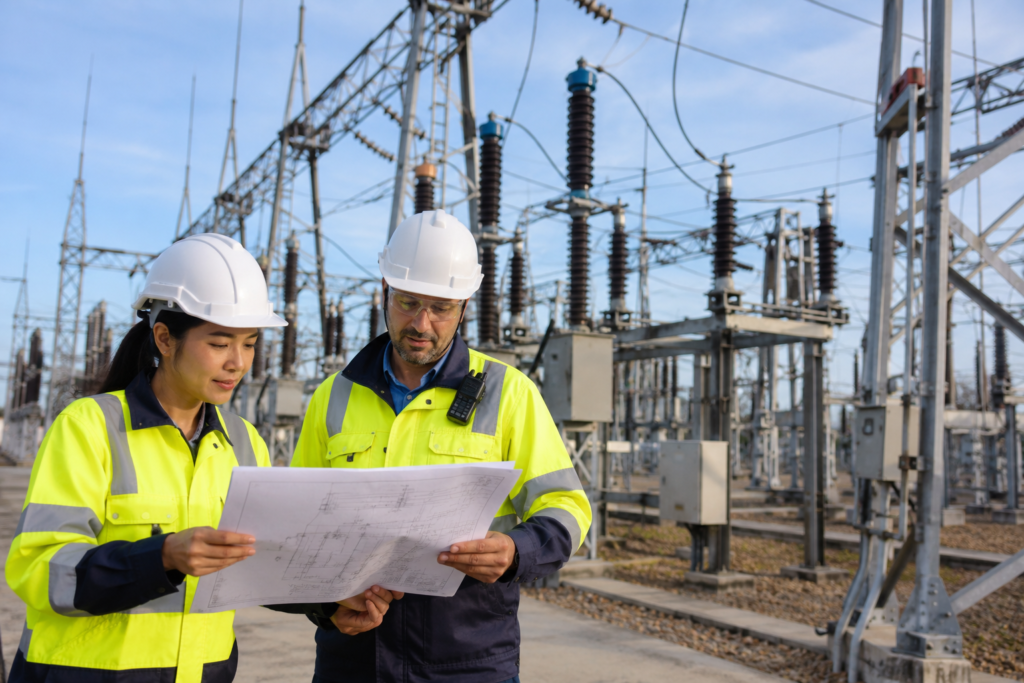
The world grows more fragmented. Meanwhile, old alliances shift, and new ones form. In this multipolar environment, energy has become a foreign policy tool and a source of competitive advantage. Countries prioritize energy security and affordability. However, they reach for different levers to achieve these goals. Fuel-importing countries often lean toward renewables and efficiency solutions, whereas others focus more on ensuring ample traditional fuel supplies.
Geopolitical Tensions and Critical Minerals
Energy sits at the heart of today’s geopolitical tensions. Traditional fuel supply risks now accompany critical minerals restrictions. The electricity sector faces increasing vulnerability to cyber, operational, and weather-related hazards. Countries must navigate this complex landscape while keeping lights on and economies running.
Africa, Nigeria, and the Gas Opportunity
Africa and Nigeria position themselves as dependable, investable oil, gas, and LNG sources for international markets. National energy security infrastructure anchors in upstream growth. However, midstream and downstream infrastructure development matters equally. Processing, refining, distribution, and delivery across a diversified energy mix require sustained investment and careful planning.
Gas and LNG emerge as strategic foundations for industrial development and export-led growth. Many countries view gas as a primary industrial energy solution. It burns cleaner than coal, proves more reliable than some renewables, and transports across borders easily. As national attention focuses on gas, infrastructure expansion and commercial viability across the gas value chain become critical priorities.
The Investment Picture
Global energy investment should reach 3.3 trillion dollars in 2025. Approximately 2.2 trillion dollars will flow toward renewables, nuclear, grids, storage, low-emissions fuels, efficiency, and electrification. This amount doubles the 1.1 trillion dollars going to oil, natural gas, and coal. The shift is unmistakable, as the world invests more in electricity systems than in fossil fuel supply.
Solar Leads the Way
Solar investment will reach 450 billion dollars in 2025. This makes it the largest single global energy investment item. Solar investment has almost doubled over the past five years. Fierce supplier competition and ultra-low costs see imported solar panels, often paired with batteries, become important energy investment drivers in many emerging and developing economies.
The Grid Investment Gap
However, grids and storage investment must match generation capacity growth. Grid expansion lags behind renewable growth and surging data center demand. This mismatch creates vulnerabilities. Power generated but not delivered represents wasted energy. Therefore, countries must invest in transmission lines, substations, and energy storage. This ensures clean energy reaches people and businesses that need it.
The New Energy Security Infrastructure Age
The global energy landscape fragments into new alliances and blocs. Resource access, technological innovation, and accelerating AI demands drive this fragmentation. Energy systems, critical minerals, and technology now stand central to national power, economic competitiveness, and investment strategy. Experts call this the New Energy Security Age.
A Power‑System Problem, Not Just a Fuel Problem
In this new age, energy security infrastructure has become a power system problem. Grid reliability, capacity adequacy, and local reliability emerge as central concerns. Extreme weather, geopolitical instability, and demand growth expose aging transmission and distribution system weaknesses. Countries across the globe demand diverse generation portfolios. Firm capacity and flexible grids prove critical to resiliency.
Compounding Risks Demand Action
Energy sector challenges no longer remain isolated; rather, they compound instead. They compound instead. Supply chain disruptions, surging electricity demand, climate shocks, and cyber threats make systems more fragile. Without diversification and stronger international cooperation, countries remain vulnerable to supply and price shocks.
Three Urgent Government Priorities
Three urgent priorities have emerged for governments. First, reduce dependence by broadening energy sources and technologies. Second, strengthen cooperation on critical minerals, grids, and financing. Third, redirect investment toward electricity infrastructure. These actions are not optional. They are essential for maintaining stability and competitiveness in a rapidly changing world.
What Comes Next
Global energy security infrastructure challenges have entered a new phase. This phase is defined not by oil scarcity but by electricity system and supply chain resilience that underpin the energy transition. This fundamental shift requires new thinking, new investment, and new infrastructure development approaches.
Balancing Climate, Affordability, and Security
The transition no longer follows a linear pathway. It balances climate ambition with affordability and energy security. Countries must protect consumers, maintain system stability, and support economic competitiveness while reducing emissions. This balancing act proves difficult but necessary.
Technology as a Double‑Edged Solution
Technology and innovation play crucial roles. AI-enabled digital solutions can deliver more efficient, market-responsive energy systems. These tools improve exploration outcomes, production efficiency, and overall system optimization. They help grid operators manage demand, predict outages, and integrate renewable energy effectively. The same technology driving electricity demand upward can also help manage it.
All Energy Sources Still Needed
The world remains thirsty for energy, and that thirst keeps growing. That thirst keeps growing. New technologies enter the system at speed. Renewables set new deployment records in 2024 for the 23rd consecutive year. Simultaneously, oil, natural gas, coal consumption, and nuclear output all reached record highs. This is not a replacement story. It is a story where all energy sources are needed to meet rising demand.
A Call to Action
Energy policymakers face crucial decisions in the coming years. They must address rising risks against complex backdrops. At the same time, they must balance competing demands for security and affordability. Above all, they must invest in infrastructure serving both today’s and tomorrow’s needs.
This is the moment for action. The infrastructure delivering energy to homes, businesses, and data centers requires building, upgrading, and protecting. Critical mineral supply chains demand diversification and security. Electricity grids need modernization and expansion. Efficiency technologies must deploy at scale.
Energy security infrastructure has become a top-tier strategic priority because it underpins everything else. National security, economic competitiveness, technological leadership, and quality of life all depend on reliable, affordable energy. Countries recognizing this and acting decisively will thrive, whereas those who do not will fall behind.
For those seeking a deeper understanding of these complex issues, educational resources are available at https://delightbearer.com/. The path forward requires knowledge, collaboration, and sustained commitment. The stakes could not be higher. The time to act is now.