

A significant change has been occurring inside hospital emergency rooms throughout America. Builders originally designed these facilities to handle heart attacks, broken bones, and other physical emergencies. Nevertheless, they have slowly transformed into something entirely different. Many emergency departments now function as pseudo-psychiatric units, serving as makeshift mental health wards. This shift did not happen suddenly. It occurred gradually as the number of people facing the mental health crisis in emergency departments increased faster than the available treatment beds. Consequently, emergency departments have become holding areas for countless individuals in psychological distress. This reality creates serious challenges for patients, hospital staff, and the entire healthcare system.
Understanding the Growing Mental Health Crisis in Emergency Departments

More people than ever are now seeking help for mental health conditions. The numbers clearly illustrate this trend. According to the Centers for Disease Control and Prevention, nearly 5.9 million visits to emergency departments across the United States involved a mental disorder, behavioral issue, or neurodevelopmental condition as the primary diagnosis. This accounts for a substantial portion of all emergency room activity. These visits are not for minor problems. They typically involve individuals experiencing severe depression, intense anxiety, suicidal thoughts, or psychotic episodes.
Many of these patients have nowhere else to turn. Their conditions have become too overwhelming for outpatient clinics or private therapists to manage effectively. Community mental health centers are frequently understaffed and overwhelmed. Primary care doctors may lack the training or time to handle acute psychiatric crises. As a result, the emergency department becomes the default destination for care. This pattern has turned emergency rooms into frontline responders in the mental health crisis in emergency departments across the nation
The Shrinking Number of Psychiatric Beds
The demand for mental health services has been rising steadily. Meanwhile, the number of dedicated psychiatric beds has been declining. Across the United States, cities and states have steadily reduced the available psychiatric hospital beds. Several reasons explain this reduction. Some psychiatric facilities have closed due to budget constraints. Others have shifted focus toward outpatient services, believing community-based care would reduce hospitalization needs.
Unfortunately, the community-based system has not developed quickly enough to meet the demand. The result is a significant gap between the number of people requiring inpatient psychiatric care and the number of beds available. This gap represents the primary reason why the mental health crisis in emergency departments has become so widespread. Patients who need specialized mental health care have nowhere else to receive it.
The Problem of Emergency Department Boarding
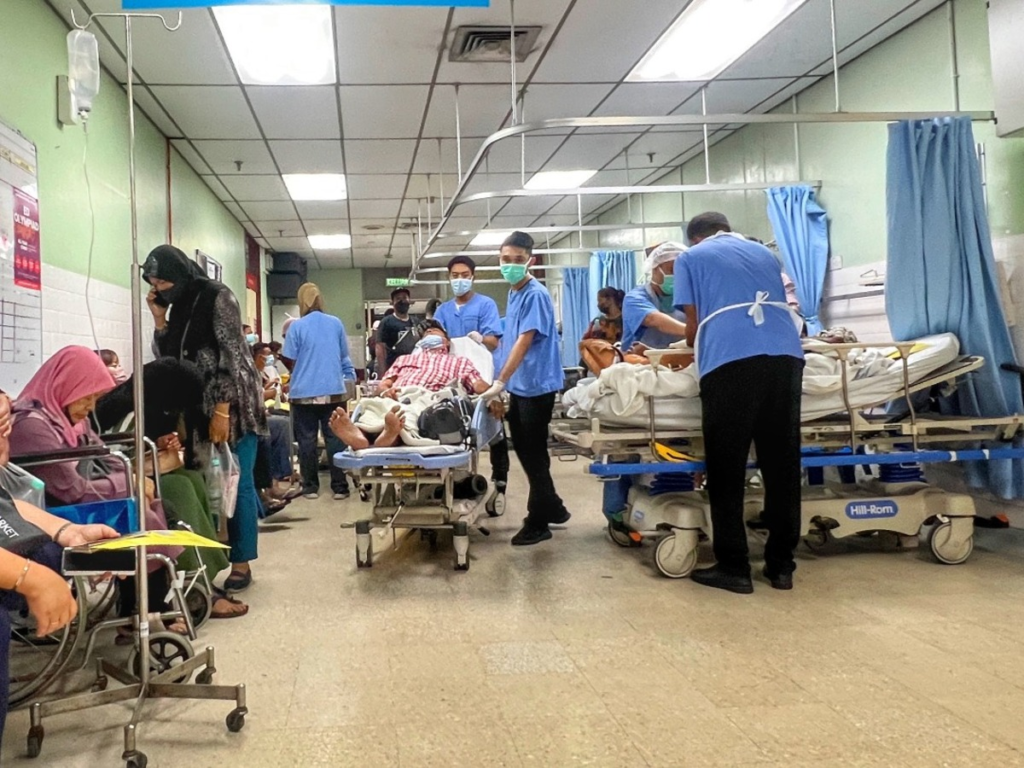
When a patient arrives at an emergency department with a mental health crisis, the ideal scenario involves quick assessment followed by transfer to an appropriate psychiatric facility. However, this ideal rarely occurs in practice. Instead, patients often wait in the emergency department for hours, days, or even weeks while a psychiatric bed is located. This practice is known as boarding.
Boarding occurs when a patient remains in the emergency department after a decision has been made to admit them, but no inpatient bed is yet available. For mental health patients, boarding has become a common and deeply troubling experience. A study focusing on pediatric Medicaid patients found that more than one in ten psychiatric emergency department visits resulted in boarding. In five states, the rate exceeded one in five visits. These statistics highlight how widespread this problem has become.
What Boarding Looks Like in Practice

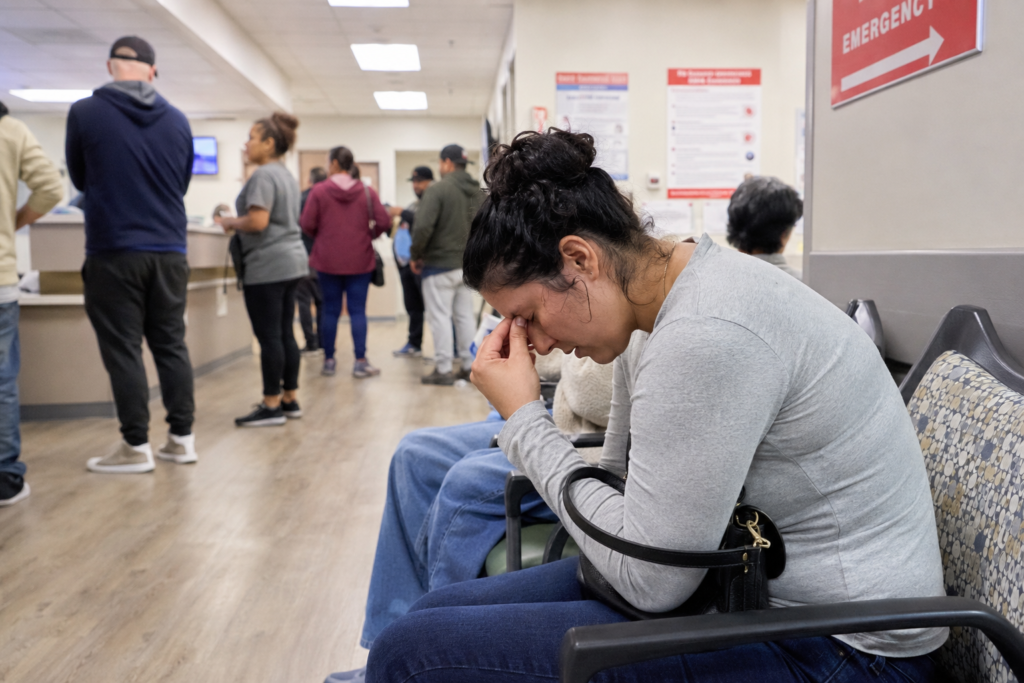
A person arrives at an emergency room during a panic attack or after experiencing terrifying hallucinations. Instead of receiving calm, specialized care, they are placed in a noisy hallway or a small exam room. The lights remain bright and harsh. The sounds are overwhelming and chaotic. Strangers rush past constantly. There is little privacy and even less peace. This represents the daily reality for countless psychiatric patients boarded in emergency departments.
These individuals wait, often for many hours, without receiving the therapeutic environment that could help them stabilize. However, the emergency department was not designed for this purpose. It was designed for rapid assessment and short-term treatment. The staff are experts in physical medicine, not necessarily in psychiatric care. The environment itself can worsen a patient’s mental state, increasing feelings of fear, agitation, and hopelessness. This situation makes the mental health crisis in emergency departments particularly harmful for vulnerable individuals.
The Impact on Patients
Extended stays in emergency departments can be traumatic for patients. Patients may experience worsening symptoms due to the stressful environment. Inadequate psychiatric care is common, as emergency physicians are not mental health specialists. Many patients receive only medications to manage acute symptoms. This approach may temporarily calm a person, yet it does not address the underlying issues that caused the crisis.
Prolonged boarding can also lead to physical complications. Access to proper nutrition, exercise, or sleep may be lacking. Physical restraints might be used if patients become agitated, which can be frightening. Lasting psychological scars often result from the boarding experience. This makes individuals less likely to seek help in the future. The transformation of emergency departments into psychiatric holding areas has genuine human consequences that cannot be ignored.
The Strain on Emergency Department Staff
Emergency department staff bear a heavy burden in this situation. These professionals are trained to manage heart attacks, strokes, and traumatic injuries. They are not necessarily equipped to handle the complex needs of psychiatric patients. Yet they find themselves responsible for individuals in deep psychological distress. This situation creates immense stress on the entire team.
Nurses and doctors must divide their attention between physically ill patients and those experiencing mental health crises. Training to safely de-escalate psychiatric situations may be lacking. Frustration often arises from the shortage of appropriate resources. Safety concerns also emerge from the constant presence of boarded psychiatric patients. Agitated or confused individuals may pose risks to themselves or others. Staff members may face verbal or physical aggression. The cumulative effect of these challenges can lead to burnout, compassion fatigue, and high turnover rates among emergency department personnel.
Financial Costs and System Inefficiencies
The transformation of emergency departments into psychiatric holding areas carries high financial costs. Emergency departments are expensive facilities to operate. Providing care to boarded patients, often for days at a time, substantially increases costs. Hospitals absorb these costs, which may not receive adequate reimbursement for extended psychiatric care.
The inefficiency of this system is staggering. Patients who could be treated more effectively in specialized psychiatric units instead occupy beds and resources in emergency settings. This reduces emergency department capacity and can cause ambulance diversions. Patients with physical emergencies consequently face longer waits. The entire system becomes clogged. Everyone suffers as a result of this transformation.
The Role of Community Mental Health Services
The inadequacy of community-based mental health services drives this crisis forward. Individuals experiencing mental health crises would access various options before reaching an emergency department. These options might include crisis hotlines, mobile crisis teams, walk-in clinics, and short-term stabilization units. In some communities, these services exist and make a real difference.
Mobile crisis teams in Massachusetts have successfully diverted tens of thousands of people from emergency rooms. Law enforcement has also diverted more than 1,700 individuals to community behavioral health centers instead of emergency departments. These initiatives demonstrate that alternatives to emergency department care can work effectively. However, these services remain unavailable in many areas. They are often underfunded and understaffed. Many communities lack the infrastructure to provide a true continuum of mental health care. Consequently, the emergency department remains the only safety net for many individuals.
The Need for More Psychiatric Beds
The boarding crisis ultimately requires an increase in available psychiatric beds. Without adequate inpatient capacity, patients will continue to languish in emergency departments. This simple but critical point cannot be overstated. Therefore, hospitals and states must invest in psychiatric facilities that can provide appropriate care for individuals in acute crisis. These facilities should create therapeutic environments with quiet spaces, trained staff, and evidence-based treatment programs.
Increasing the number of psychiatric beds is not a simple task. Significant financial investment and training commitment are required. This remains an essential step despite the challenges. Many patients will continue to suffer until psychiatric bed supply matches demand.
Innovative Models of Care
Some hospitals are experimenting with innovative approaches to address this crisis. One promising model involves EmPATH units, which are dedicated psychiatric emergency services located within or adjacent to emergency departments. These units provide calm, supportive environments for patients experiencing mental health crises. They are staffed by mental health professionals who can offer rapid assessment, crisis intervention, and short-term treatment.
Research shows EmPATH units reduce boarding times and improve patient outcomes. Similarly, another approach uses telehealth services. Services connect emergency department patients with psychiatrists remotely. This helps ensure patients receive timely psychiatric consultations, even when specialists are not physically present. These innovative models offer valuable solutions. However, they cannot substitute for a comprehensive mental health system that includes adequate inpatient capacity and robust community services.
The Broader Societal Impact
The mental health crisis in emergency departments reflects broader societal failures. Society has long stigmatized and underfunded mental health. Many individuals do not seek help until their condition has reached a crisis point. This occurs partly due to lack of access to care, but also due to persistent stigma surrounding mental illness.
People may fear being labeled or judged harshly. They might worry about losing jobs or families. Many simply do not know where to turn for help. Consequently, many people delay seeking treatment until they are in acute distress. By this point, the emergency department may be their only option. Addressing this problem requires cultural change. Normalizing mental health conversations is essential. Public education about warning signs and early intervention matters just as much. Seeking help should be viewed as a sign of strength, and society must embrace this perspective.
The Importance of Policy Changes
Policy changes are essential to address this crisis effectively. Governments at federal, state, and local levels must prioritize mental health funding. This includes funding for psychiatric beds, community mental health centers, crisis services, and workforce development. It also includes policies that promote early intervention and prevention.
Schools can play a key role in identifying mental health issues in children and connecting them with resources. Employers can provide mental health benefits and create supportive workplaces. Law enforcement agencies can partner with mental health professionals to respond to crisis calls. These policy changes require political will and sustained advocacy. Individuals and organizations must speak out about the importance of mental health. Everyone must recognize that mental health is an essential component of overall health and well-being.
The Role of Education and Awareness
Education and awareness are equally critical components of any solution. Many people do not understand what a mental health crisis looks like or how to respond appropriately. They may not know the difference between a panic attack and a heart attack. They may not know how to talk to someone who is suicidal. They may not know what resources are available in their community.
By increasing education and awareness, we can help people recognize mental health issues early and seek appropriate care. We can also reduce the stigma that prevents people from asking for help.
The Human Cost of Boarding
Behind the statistics and policy debates are real people. They are mothers and fathers, sons and daughters, friends and neighbors. They are individuals struggling with overwhelming pain and despair. They deserve compassion, respect, and effective treatment. Instead, they often find themselves in crowded emergency rooms, waiting for care that may not come for hours or days.
This represents a genuine human tragedy unfolding every day in emergency departments across the United States. Consequently, it demands a response. The transformation of emergency departments into psychiatric holding areas is not inevitable. It results from choices society has made. Different choices can be made. Society can choose to invest in mental health. It can choose to build a system that provides timely, appropriate, and compassionate care for everyone who needs it.
Looking Toward the Future
The future of mental health care in the United States depends on actions taken today. The mental health crisis in emergency departments serves as a clear warning sign. It tells us the current system is broken. It tells us that ignoring the needs of individuals with mental health conditions is no longer acceptable. The path forward requires a comprehensive approach.
This approach must include increasing the supply of psychiatric beds. It must include strengthening community mental health services. It must include investing in crisis intervention and prevention. It must include reducing stigma and increasing awareness. It must include policy changes and advocacy. It requires commitment from all of us.
A Call to Action
This problem will not solve itself. It requires sustained effort and attention. Individuals must speak up and demand change. Healthcare leaders must advocate for better resources. Policymakers must prioritize mental health funding. Communities must come together and support one another.
Every person has a role to play. We can start by educating ourselves about mental health. Starting with mental health education is a great first step. Stigma can be reduced through open conversations about mental illness. Real change happens when organizations improving mental health care receive support. We can start by treating individuals with mental health conditions with dignity and respect. These small actions can add up to meaningful change. They can help create a world where no one has to endure a mental health crisis in a crowded emergency room. They can help create a world where everyone has access to the care they need, when they need it.
Conclusion
Emergency departments across the United States have become pseudo-psychiatric units. This reality was neither planned nor desired. It harms patients, stresses staff, and costs the healthcare system dearly. It reflects deep failures in our mental health care system. However, this reality can be changed. By investing in psychiatric beds, community services, and crisis intervention, we can begin reversing this trend. By reducing stigma and increasing awareness, we can help people seek help earlier. By advocating for policy changes, we can build a system that truly meets everyone’s needs.
The transformation of emergency departments represents both a crisis and an opportunity. It provides a chance to rethink mental health care delivery. Moreover, it offers an opportunity to build a better, more compassionate system. It ensures no one is left behind. The time to act is now. For those who wish to explore more educational content, Delight Bearer offers valuable information. Access to reliable information remains a powerful tool in fighting mental health stigma and addressing the mental health crisis in emergency departments.