
What if a style of clothing that started hundreds of years ago in Japan now helps define what’s fashionable across the world today? Hard to imagine, right? But it’s true! The kimono, a traditional Japanese garment, has gone from its ancient roots to inspiring top designers globally. Let’s uncover this amazing journey.
The global market for luxury fabrics and textiles is huge – worth over $USD 3.83 billion in 2023, with projections to reach USD 9.09 billion by 2030. Japan plays a major role through its historic fabrics like silk, cotton, and hemp. These fabrics started as kimonos, humble garments worn by regular people. But their beautiful craftsmanship grabbed the world’s attention, transforming them into symbols of high fashion and cultural blending.
To understand how this happened, we must first appreciate the background and importance of kimonos in Japan.
The Origins and Significance of Kimonos in Japan
Kimonos have a long history in Japan, stretching back over 1000 years. They were worn by men, women, and children from all social classes. Kimonos were the standard clothing item for Japanese people for centuries.
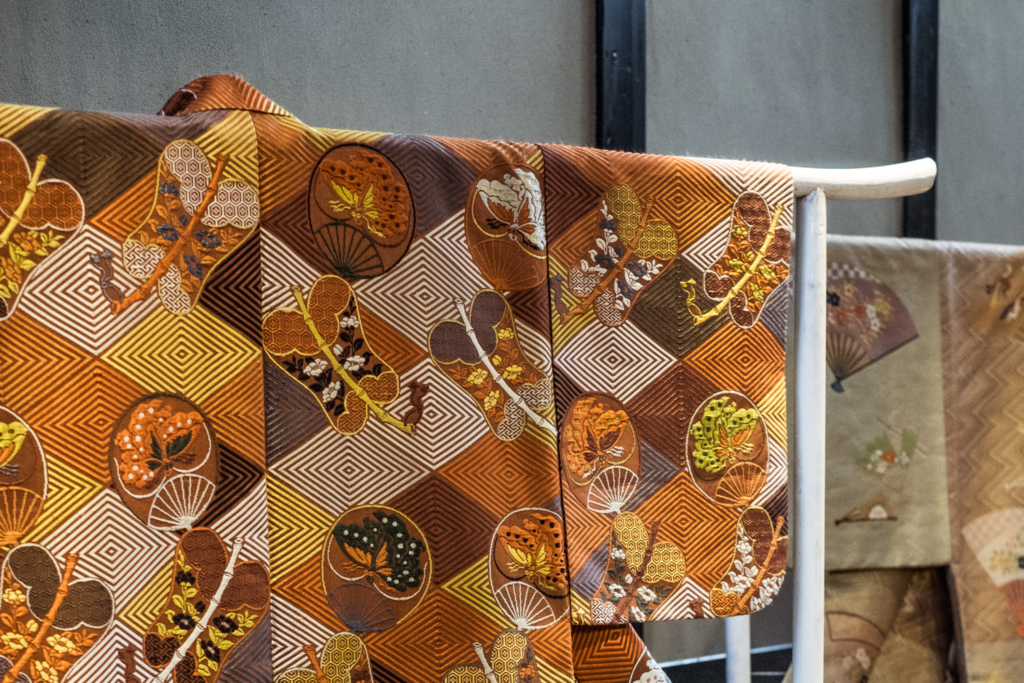
Kimono fabrics like silk and cotton were made using special techniques perfected by generations of artisans. Methods like Nishijin weaving from Kyoto created intricate patterns. Shibori dyeing produced eye-catching designs by carefully binding and immortalizing cloth. Sashiko embroidery added decorative accents with bold threaded stitches.
The detailed craftsmanship elevated simple kimonos into works of art. Certain motifs held deep meaning. Seasonal flowers represent nature. Auspicious symbols conveyed hopes and prayers. Kimonos embodied the wearer’s personality and status. For many, they represented Japanese cultural heritage and pride.
From Japan to the Global Stage
So how did the kimono leap from Japanese streets to world-famous runways? It began when Japan opened up to outside influences.
After 1868, Japan’s new Meiji government embraced Western culture. Japanese people started adopting European dress. Kimonos began declining as daily wear. But they remained popular as ceremonial clothing.
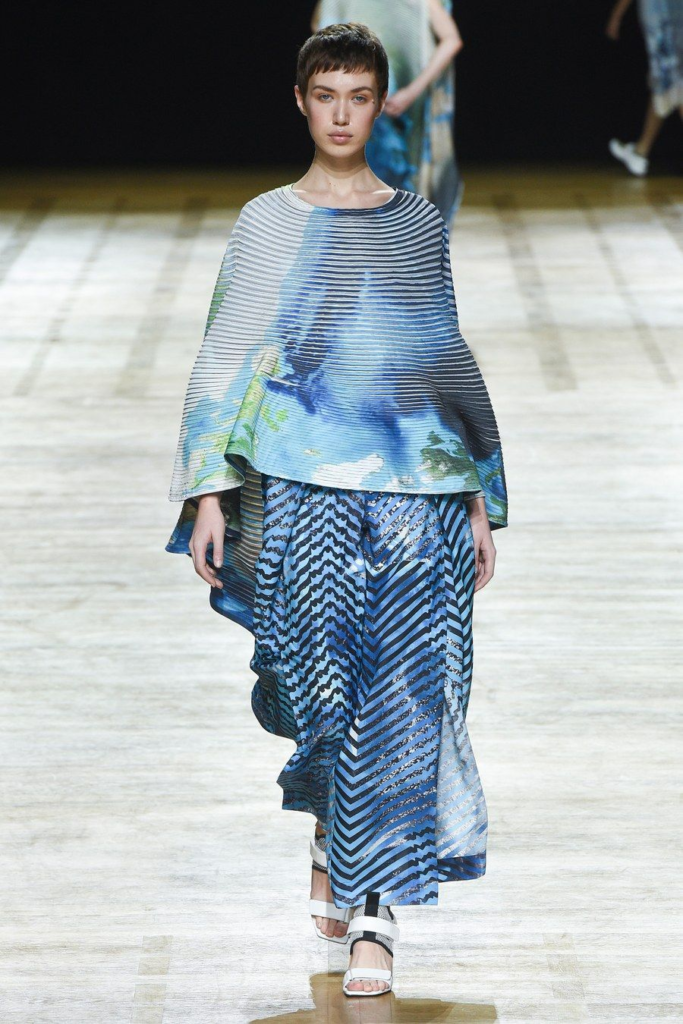
Then, in the 1980s, Japanese designers like Rei Kawakubo and Issey Miyake mixed East and West. Their avant-garde designs combining kimono fabrics with modern silhouettes captivated the global fashion scene. This “Japanese Fashion Revolution” turned the world’s eyes to the creativity hidden in kimonos.
Soon, major brands also incorporated Japanese materials and motifs. In the 1990s, Christian Dior created gowns with shibori-like patterns. Alexander McQueen’s 2003 collection featured dresses mixing kimono and corset styles. Obi sashes provided inspiration for belts. Ikat fabric was reimagined in new cuts. Vintage kimonos even got reinvented into fresh looks. The kimono had officially gone global.
Blending Tradition and Trends
But some worried – was this cultural appreciation or appropriation?
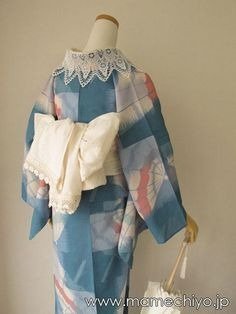
Japanese designers provided a model for respectfully blending eras. They honored heritage while appealing to contemporary tastes. Highlights included hybrid designs with traditional kimono fabrics remade into cropped tops or pencil skirts. Vintage kimono patches and scenes of ornately decorated handbags and shoes. These incorporated old and new.
Meanwhile, fashion houses outside Japan took inspiration from kimonos but often modernized them into wholly original pieces. Decorative touches offered tasteful nods to Japanese craftsmanship. The kimono inspired a cultural exchange benefiting both sides.
Sustainable Fashion and the Kimono’s Rebirth
Partnerships with vintage kimono suppliers also showcase how traditional techniques support today’s sustainable fashion movement.
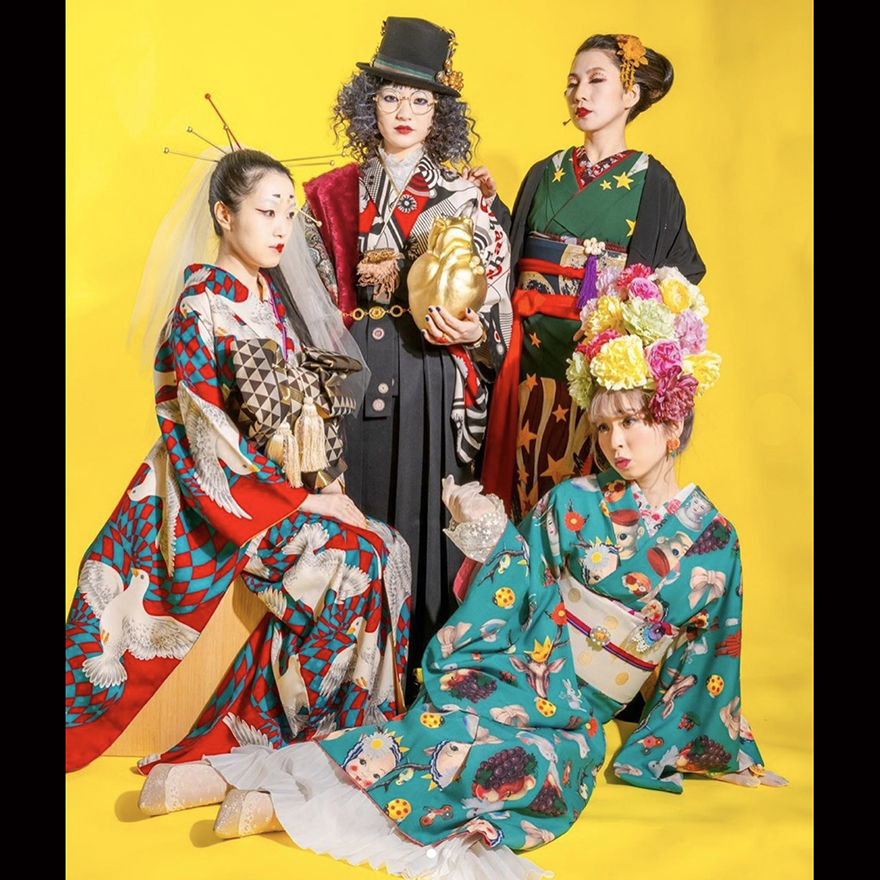
For example, the “kimono remake” movement rescues old kimonos that might otherwise be discarded. Artists and designers remake them into contemporary clothing or accessories. This repurposing extends the kimono’s lifespan versus letting the fabrics go to waste.
Many artisans also utilize ecologically sound methods aligned with today’s values. Handmade washi paper and non-toxic natural dyes demonstrate respect for the environment. Such practices at small home studios sustain jobs and craftsmanship in local communities.
By valuing techniques perfected over generations, the kimono transforms into the ultimate “slow fashion” item. Each vintage garment represents decades of preservation and history. Reimagining these treasures provides a sustainable alternative to fast fashion’s mass production.
The Kimono on the World Stage
Let’s view some real-life examples of the kimono’s modern incarnations.
Recent fashion shows provide inspiration. In 2022, Tadashi Shoji’s New York Fashion Week collection recreated kimono shapes in lace and chiffon. Men’s brand Band of Outsiders incorporated indigo dyeing and quilting into jackets and sweaters. Such designs grab the essence of the kimono without mimicry.
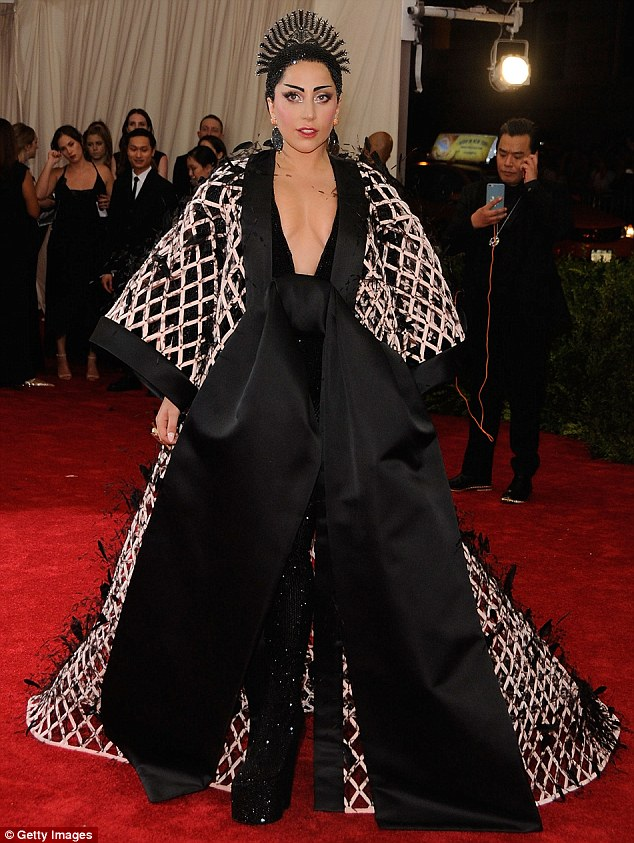
Celebrities also endorse modernized interpretations. Actor Keanu Reeves and musician Lady Gaga have worn futuristic spins on the kimono, creating viral fashion moments. Through their bold personal styles, they underscore how the kimono spirit thrives today.
Even museums now highlight the kimono’s evolving legacy. “Kimono Refashioned” at the Asian Art Museum of San Francisco displayed remade kimonos alongside 17th-century originals. Exhibits educate visitors on traditions underpinning today’s styles.
Emerging talents also fuse old and new techniques. Designers like KimonoArtRoad create custom jackets from vintage silk. Malaysian label Kami Idea blends Japanese fabrics like Sakura print with a streetwear vibe. Such innovation ensures the kimono’s continued relevance.
A Timeless Tradition Redefining Fashion
The kimono has transited an incredible journey. From ancient Japan to the runways of Paris, this humble garment has been reborn through designers’ imagination. While honoring heritage, the fashion world continues to unlock the kimono’s unseen possibilities.
This cultural exchange reminds us that fashion constantly evolves. As we dream up new styles, we can still find inspiration from centuries of tradition. By valuing time-honored techniques, we can also build a more sustainable future for our craft.
The kimono’s worldwide impact proves that fashion is best when inclusive. No culture has a monopoly on creativity. As we appreciate diverse influences, we can produce designs that speak to our shared humanity.
Conclusions
So next time you admire a stunning runway dress, spare a thought for the kimono. Quietly but powerfully, this historic garment is helping shape what we perceive as fashion-forward today. Its journey continues to both amaze and inspire.