
Resilience wellness has become a central focus for young adults worldwide. Nearly half of all Gen Z and millennial adults have decided to prioritize their mental well-being more than ever before. This marks a significant change in how younger generations view health and happiness. Resilient wellness is not just a passing trend. It represents a complete approach to life that builds inner strength while actively caring for mental health. The numbers are clear. Almost 48 percent of young adults plan to do more for their mental health. This statistic shows a deeper movement toward resilience wellness that cannot be ignored.
Understanding Resilience Wellness
Resilience wellness goes beyond simply feeling better. It is a comprehensive approach to life that builds mental strength while caring for emotional health. For many years, people thought of wellness as only eating right and exercising. Today, we know better. Wellness includes emotional balance, mental clarity, social connection, and the ability to bounce back from challenges. This is the true meaning of resilience wellness.
Younger generations understand that good mental health does not happen by accident. It requires effort, intention, and a willingness to change. This understanding has sparked a powerful movement. People no longer wait until they feel broken to seek help. Instead, they take proactive steps to build strong mental foundations before problems arise. This preventive approach lies at the heart of resilience wellness.
The decision by 48 percent of Gen Z and millennials to do more for their mental health comes from the unique pressures of modern life. These generations grew up with constant connectivity, economic uncertainty, and rapid social change. They have witnessed global crises, environmental concerns, and shifting workplace dynamics. All these factors have made them recognize that mental health is essential.
Why This Generation Takes Action

The commitment to mental health stems from many interconnected reasons. Financial insecurity remains a major concern for young adults. Many feel uncertain about their economic futures. This constant worry takes a toll on mental well-being. The modern workplace has also become a source of immense stress. Long working hours, heavy responsibilities, and the struggle for work-life balance affect everyone. These pressures do not disappear when the workday ends. They follow people home and impact every aspect of their lives.
Social connection has also changed dramatically. Technology makes it easier to stay in touch, yet it has created new forms of isolation. Many young adults feel lonely even when surrounded by digital connections. This paradox has led to a deeper appreciation for genuine human relationships and their mental health benefits.
The workplace itself is transforming. Employees will no longer sacrifice their well-being for a paycheck. Mental health support and policies now rank as important factors when considering a potential employer. This shift forces companies to take mental health seriously. It is no longer seen as optional. Instead, it has become an essential part of a healthy work environment.
Overcoming Barriers to Resilience Wellness
Understanding the challenges young adults face helps explain why resilience wellness matters so much. Stress and burnout rank among the most cited barriers to leadership and career growth. These issues affect productivity, creativity, and overall life satisfaction. When people feel constantly overwhelmed, they cannot perform at their best or enjoy their daily experiences.
The cost of living continues to worry many young adults. Financial concerns make it difficult to focus on long-term goals. They also create a sense of instability that undermines mental peace. When basic needs feel uncertain, investing in self-care and personal growth becomes harder. This creates a cycle where financial stress leads to poor mental health, which in turn makes it harder to improve one’s finances.
Work-life balance has emerged as a top career goal for both Gen Z and millennials. This does not show laziness or a lack of ambition. Instead, it reflects a mature understanding that life involves more than just work. People want time for family, friends, hobbies, and rest. They recognize that constant work without balance leads to exhaustion and unhappiness. The pursuit of balance shows self-respect.
Despite these challenges, younger generations feel hope and determination. They are not simply complaining about their problems. They are actively seeking solutions. This proactive attitude makes resilience wellness so promising. It is a movement built on agency and the belief that change is possible.
What Doing More for Mental Health Looks Like
The commitment to improve mental health takes many forms. For some, it means seeking professional help through therapy or counseling. For others, it involves building daily habits that support emotional well-being. There is no single right way to approach mental health. Each person must find what works best for them.
Journaling has become a popular practice. Writing down thoughts and feelings helps process emotions and gain clarity. It provides a safe space to explore concerns without judgment. Meditation and mindfulness practices have also gained widespread acceptance. These techniques help calm the mind and reduce anxiety. They teach people to stay present rather than worrying about the past or future.
Sleep has been recognized as critical for mental health. Many young adults now prioritize better sleep routines. They set regular bedtimes, reduce screen time before sleep, and create comfortable sleeping environments. These small changes can have a profound impact on mood and overall well-being.
Physical activity remains important, though the approach to exercise is changing. Instead of extreme fitness goals, many people embrace gentle, sustainable movement. Nature walks, yoga, and light stretching have become more popular. These activities support both physical and mental health without adding unnecessary pressure.
Digital detoxes are another common practice. Young adults increasingly recognize how social media and constant notifications affect their mental state. Taking breaks from technology helps reduce comparison, anxiety, and information overload. It creates space for real-world connections and quiet reflection.
The Role of Employers in Supporting Mental Health
Employers play a significant role in this movement. Most Gen Z and millennial employees acknowledge that their employers are making efforts to improve workplace mental health. However, much work remains. Many employees do not feel supported when trying to balance mental health and work responsibilities.
Companies that prioritize mental health see tangible benefits. Supported employees are more engaged, productive, and loyal. They are also less likely to experience burnout or leave their jobs. Investing in mental health is not just the right thing to do. It is also a smart business decision.
Some organizations offer paid counseling services and resources for stress reduction. Others create cultures where open conversations about mental health are encouraged. These efforts help reduce stigma and make it easier for employees to seek help.
However, availability of support does not always lead to widespread use. Many employees still hesitate to take advantage of mental health resources. This may stem from stigma, lack of awareness, or privacy concerns. Employers must continue working to create environments where seeking help is seen as a sign of strength rather than weakness.
Building Resilience Through Everyday Choices

Resilience is a skill that can be developed through practice and intentional effort. Everyday choices play a huge role in building inner strength. Simple actions like eating nutritious meals, staying hydrated, and getting fresh air contribute to mental well-being. These habits might seem small, but they add up over time.
Social connections are another cornerstone of resilience. Spending time with loved ones, joining community groups, and nurturing friendships all support mental health. Human beings are social creatures. We need connection to thrive. Young adults recognize this and make relationship-building a priority.
Setting boundaries is also essential. Learning to say no to excessive demands protects mental energy. It allows people to focus on what truly matters. Boundaries apply to work, social obligations, and even digital consumption. Creating clear limits helps prevent overwhelm and preserves emotional resources.
Gratitude practices have gained popularity as a way to boost resilience. Taking time each day to appreciate the good things in life shifts focus away from problems. This simple habit can improve mood and increase overall life satisfaction. It reminds people that even in difficult times, there is always something to be thankful for.
The Connection Between Purpose and Mental Health
A sense of purpose is essential to job satisfaction for most Gen Z and millennials. This connection between purpose and mental health is powerful. When people feel their work matters, they experience greater fulfillment and motivation. Purpose gives life meaning and direction.
Finding purpose does not always mean changing careers. It can also mean finding meaning in everyday activities. Volunteering, helping others, and contributing to something larger than oneself all provide a sense of purpose. These activities boost mental health by fostering connection and reducing isolation.
Young adults increasingly seek purpose in all areas of their lives. They want to work for companies that align with their values. They want to spend time on activities that feel meaningful. This search for purpose is not selfish. It is a healthy expression of the human desire to make a difference.
The Financial Dimension of Mental Wellness
Financial wellness plays a huge role in overall mental health. The stress of financial insecurity weighs heavily on young adults. This is why many take steps to improve their financial situations alongside their mental health. Budgeting, saving, and financial planning are becoming important wellness practices.
Employers are also recognizing this connection. Some offer financial wellness programs alongside mental health support. These programs help employees manage money stress and build financial security. Addressing financial concerns is an important part of supporting overall well-being.
The link between financial and mental health is clear. When people feel financially secure, they experience less anxiety. They have more energy to invest in self-care and personal growth. Breaking the cycle of financial stress is essential for building lasting resilience.
Generational Values and Wellness Trends
Gen Z and millennials make up just over a third of adults, yet they drive more than 40 percent of total wellness spending. This disproportionate influence reflects their deep commitment to health and well-being. Sleep, mental health, nutrition, and fitness are now treated as essentials rather than indulgences.
These generations are also driving evidence-based wellness trends. They are not satisfied with vague promises or quick fixes. They want approaches backed by research and proven to work. This demand for quality raises the standard for wellness products and services.
Younger generations are also more open about mental health struggles. This openness reduces stigma and encourages others to seek help. It creates a culture where mental health is discussed openly and without shame. This cultural shift is one of the most positive developments in recent years.
Technology and Mental Health Support
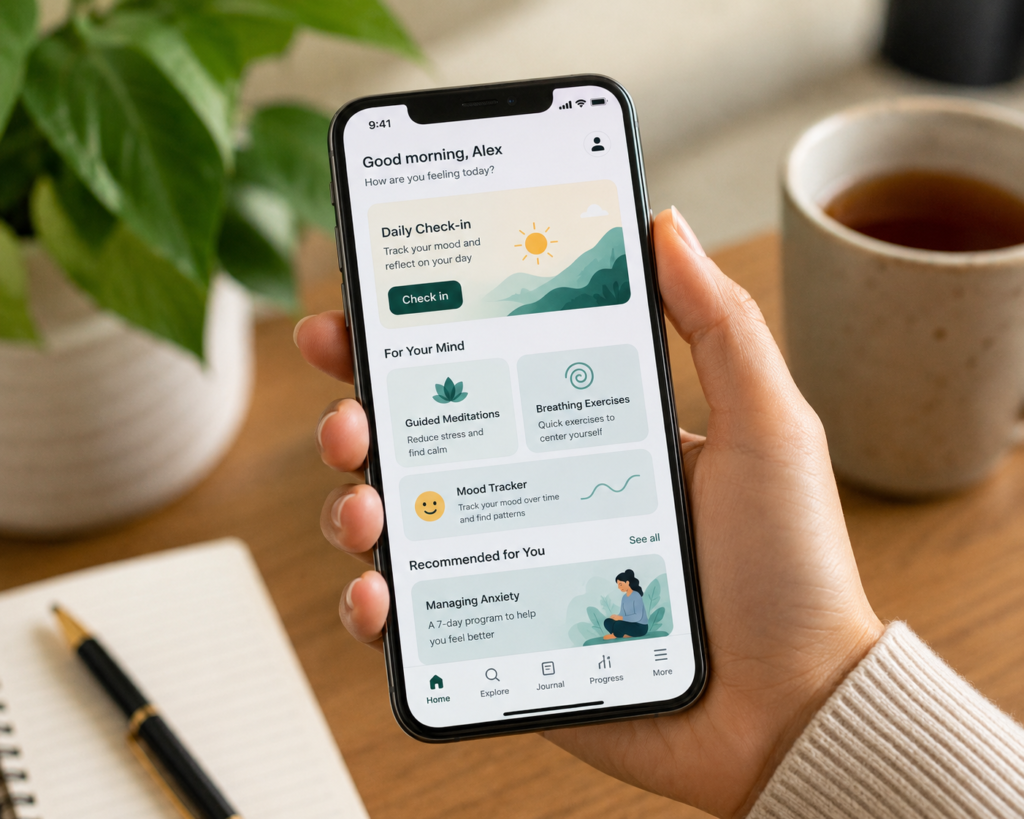
Technology can be both a challenge and a solution when it comes to mental health. While social media can contribute to anxiety and comparison, it also provides access to valuable resources. Mental health apps, online therapy platforms, and digital communities offer support to people who might otherwise go without help.
Many young adults use apps to track their moods, monitor sleep, and practice meditation. These tools provide data that helps people understand their mental health patterns. They also offer convenient access to coping strategies and professional support.
However, technology should be used mindfully. Constant connectivity can be draining. Setting boundaries around screen time is an important part of maintaining mental balance. Using technology as a tool rather than a crutch is key to reaping its benefits without suffering its drawbacks.
Creating a Culture of Resilience Wellness
The movement toward resilience wellness is not just an individual effort. It is a cultural shift that requires support from all levels of society. Families, schools, workplaces, and communities all have roles to play. Creating environments that prioritize mental health benefits everyone.
Education about mental health should begin early. Teaching children and teenagers about emotional regulation, stress management, and healthy relationships builds a strong foundation. These skills serve people throughout their lives. They are just as important as academic knowledge.
Workplaces must continue evolving to meet employee needs. Flexible schedules, mental health days, and supportive policies are becoming standard expectations. Companies that fail to adapt risk losing talented workers to competitors who prioritize well-being.
Communities can also contribute by creating spaces for connection. Parks, community centers, and social groups provide opportunities for people to come together. These connections are vital for mental health. They combat isolation and build social support networks.
Overcoming Mental Health Stigma
Despite progress, stigma around mental health still exists. Many people hesitate to seek help because they fear judgment or discrimination. Overcoming this stigma requires continued effort and open conversation.
Sharing personal stories of mental health struggles and recovery helps normalize these experiences. When people see that others have faced similar challenges, they feel less alone. This sense of shared experience encourages help-seeking and reduces shame.
Language matters too. Using respectful, non-judgmental language when discussing mental health creates a safer environment. Words have power. Choosing them carefully can make a significant difference in how people feel about seeking support.
The Financial Commitment to Mental Health
Investment in mental health continues to grow significantly. The wellness market has reached a value of two trillion dollars, driven largely by younger generations. This spending reflects a genuine commitment to well-being. People are willing to invest in their mental health because they recognize its importance.
This financial commitment takes many forms. Some people spend money on therapy, coaching, or counseling. Others invest in wellness apps, books, or retreats. Still others prioritize experiences that bring joy and relaxation. All these investments contribute to resilience and overall well-being.
The willingness to spend on mental health is a positive sign. It shows that people value themselves enough to invest in their own care. This self-worth is the foundation of resilience wellness.
The Future of Resilience Wellness
The commitment of 48 percent of Gen Z and millennials to do more for their mental health is just the beginning. As these generations age and gain more influence, the importance of mental health will only grow. Future generations will likely place even greater emphasis on well-being.
These priorities will shape the workplace of the future. Companies will need to offer comprehensive mental health support to attract and retain top talent. Work-life balance will become a non-negotiable expectation rather than a perk.
Technology will continue to play a role in supporting mental health. Innovations in artificial intelligence, telehealth, and digital therapeutics will make help more accessible than ever. However, human connection will remain irreplaceable. The balance between technology and genuine relationships will be crucial.
Practical Steps for Building Resilience Wellness
Building resilience wellness does not require drastic changes. Small, consistent actions can make a big difference over time. Starting with one or two new habits is often more sustainable than attempting a complete lifestyle overhaul.
Regular check-ins with yourself are important. Taking a few minutes each day to assess mood, energy levels, and stress can help identify patterns. This self-awareness is the first step toward making positive changes.
Connecting with others is equally important. Reaching out to friends, family, or support groups provides emotional nourishment. These connections remind people that they are not alone in their struggles.
Seeking professional help when needed is a sign of strength, not weakness. Therapists, counselors, and coaches offer valuable guidance and support. They provide tools and strategies that can transform mental health.
Conclusion
The decision by nearly half of Gen Z and millennials to do more for their mental health makes a powerful statement about generational values. Resilience wellness is not just a trend. It marks a fundamental shift in how people approach life, work, and well-being. This movement is built on the understanding that mental health is just as important as physical health.
Building resilience requires effort, intention, and support. It involves everyday choices, meaningful connections, and a willingness to seek help when needed. The journey toward better mental health is not always easy, but it is always worth it.
For those looking to explore more educational content on this topic, Delight Bearer offers valuable resources and insights. To learn more about resilience wellness and how to incorporate it into daily life.
The future of mental health is bright because people are taking it seriously. They are investing in themselves, supporting each other, and demanding change. This collective commitment to well-being will create a healthier, happier world for generations to come. Resilience wellness is here to stay, and it is making a difference one person at a time.